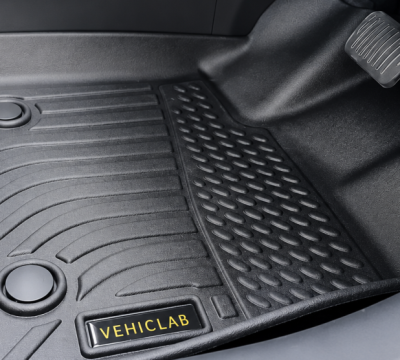
Everything You Should Know Before Installing Car Floor Liners

Car floor liners protect your vehicle’s interior from dirt, spills and wear, but proper installation matters just as much as the product itself. Before fitting them, clean your floor, check for a custom fit, secure any retention clips, and avoid loose edges near the pedals. A snug, correctly installed liner keeps you safe and your car looking newer for longer.
If you’ve ever climbed into your car after a muddy footy match or a beach day with sandy kids in the back seat, you’ll know exactly why floor liners exist. They’re one of those accessories that quietly save you a fortune in detailing bills and resale headaches. But here’s the thing most people don’t think about: buying a good liner is only half the job. How you install it, and whether it actually fits your vehicle, makes a real difference to how well it performs.
Whether you’re outfitting a new ute, a family SUV, or your daily commuter, this guide walks you through everything worth knowing before you pop a set of liners into your footwells.
What Are Car Floor Liners, Exactly?
Car floor liners are moulded protective covers designed to sit over your vehicle’s carpet or factory floor mats. Unlike basic car floor mats, which are often flat and made of thin rubber or carpet fabric, liners are typically formed to match the exact contours of your footwell.
Most premium car floor liners today are made from TPE (thermoplastic elastomer), a flexible, durable material that handles Australian conditions particularly well. TPE floor liners don’t crack in summer heat, don’t go brittle in winter, and clean up with nothing more than a hose or a wipe-down.
You’ll also hear these called automobile floor liners or vehicle floor liners depending on the brand they’re all describing the same idea: a raised-lip, deep-tray design that traps mud, water, and grime before it reaches your carpet.
Why Installation Matters More Than People Think
A lot of buyers assume any liner will do the job as long as it’s roughly the right shape. In reality, a poorly fitted liner can actually cause more problems than it solves.
Here’s why getting the installation right matters:
- Pedal interference – A liner that shifts forward can catch under the accelerator or brake pedal, which is a genuine safety risk.
- Trapped moisture – Incorrectly seated liners can allow water to pool underneath instead of draining away, leading to hidden rust or mold.
- Reduced lifespan – Liners that aren’t clipped in properly wear unevenly and crack sooner.
- Poor resale impression – A loose-fitting liner looks cheap, even if the product itself is quality.
A good installation isn’t complicated, but it does need a bit of care.
Preparing Your Vehicle Before Installation
Before you even open the box, spend five minutes prepping your car. It makes the whole process smoother.
Clean the Footwell First
Vacuum out any sand, gravel or leaves sitting in the carpet. Fitting a liner over debris can create bumps that stop it from sitting flush.
Remove the Old Mats
If you’re upgrading from standard car floor mats, take them out completely. Layering a new liner over an old mat is one of the most common causes of pedal entrapment.
Check for Factory Retention Clips
Most Australian-delivered vehicles have small hooks or clips built into the floor specifically for holding mats in place. Locate these before installation, you’ll need them.
Confirm You Have the Correct Fit
This might seem obvious, but liners for a dual-cab ute won’t sit right in a hatchback, even if they look similar in photos. Always match liners to your exact make, model and year.
How to Install Car Floor Liners Properly
Once your vehicle’s ready, installation itself is fairly quick.
- Start with the driver’s side. This is the most safety-critical liner, so take your time.
- Align the liner’s contours with the footwell shape, it should drop into place naturally without forcing.
- Secure it to the factory clips or hooks. Nearly all custom car floor liners include matching anchor points.
- Press down along the edges to ensure full contact with the carpet beneath.
- Test the pedals. Push the accelerator and brake through their full range of motion before driving anywhere.
- Repeat for the passenger and rear liners, checking that rear liners sit flat against the seat base.
If a liner feels like it’s fighting you or won’t lie flat, stop and double-check you’ve got the correct model for your vehicle.
Common Installation Mistakes to Avoid
Even good-quality liners get let down by rushed fitting. Watch out for these:
- Skipping the retention clips because “it looks fine without them”
- Installing over the top of existing mats
- Forcing an ill-fitting liner into place
- Not checking pedal clearance before driving off
- Ignoring a curled or lifted edge near the door sill
None of these take long to fix, but they’re easy to overlook if you’re in a hurry.
Safety Considerations You Shouldn’t Skip
This is the part worth taking seriously. An unsecured driver’s side liner is a legitimate driving hazard, it’s one of the more common causes of unintended acceleration incidents reported to vehicle safety authorities worldwide.
Before every long trip, it’s worth a quick glance to confirm the liner hasn’t shifted, especially after cleaning your car or letting someone else drive it.
Maintenance Tips for Long-Lasting Performance
One of the best parts of switching to waterproof floor liners is how low-maintenance they are.
- Hose them down or wipe with a damp cloth
- Avoid harsh solvents on TPE material, mild soap and water is enough
- Let them dry fully before refitting to avoid trapping moisture
- Check clips periodically, as they can loosen over time with regular use
A five-minute clean every couple of weeks keeps them looking new for years.
Signs Your Liners Weren’t Installed Correctly
If something’s off, your car will usually tell you. Look out for:
- Liners sliding forward when you brake
- Gaps between the liner edge and door sill
- Water pooling underneath after wet weather
- A liner that rocks or flexes when you step in
Any of these mean it’s time to reseat or re-check the fit.
Why Custom-Fit Liners Perform Better Than Universal Ones
Universal mats might be cheaper upfront, but they rarely sit flush, which undermines everything a good liner is meant to do. Custom car floor liners are moulded specifically to your vehicle’s floor pan, meaning they follow every contour, curve and drainage channel your manufacturer designed in.
The result is better coverage, a more secure fit, and none of the shifting that universal mats are known for. If you’re investing in premium car floor liners, going custom is really the only way to get full value from them.
Final Thoughts
Car floor liners are a small upgrade that make a genuine difference to your car’s cleanliness, resale value, and everyday comfort but only when they’re fitted correctly. Take the time to prep your footwell, use the retention clips, and always confirm pedal clearance before you drive. If you’re after a set that’s built for Australian conditions and genuinely tailored to your vehicle, it’s worth having a look at what Vehiclab offers before you buy your next set.
Frequently Asked Questions
Are car floor liners better than standard floor mats?
Yes, deeper trays and raised edges make them better at containing mud, water and spills.
Can I install floor liners myself?
Yes, it’s tool-free and takes just a few minutes per seat using the factory clips.
Do TPE floor liners smell when new?
A mild smell is normal at first and fades within a few days.
How do I know if my floor liners fit correctly?
They sit flush, clip in securely, and don’t touch the pedals.
Are all-weather floor liners worth it in Australia?
Yes, especially if your area sees both hot summers and wet winters.