Why Do Custom-Fit Car Mats Matter for Different Vehicle Models?

Your car’s floor takes more punishment than almost any other part of the interior. Muddy boots, spilt coffee, beach sand and school-run crumbs all end up underfoot. The right mats keep that mess off the carpet, but only if they suit your vehicle. That is where custom-fit car mats earn their place. Manufacturers design them for a specific make, model and year, so they follow your footwell’s shape instead of leaving you to guess. Universal mats use a general size, so they often leave gaps, bunch up or slide around.
What Are Custom-Fit Car Mats?
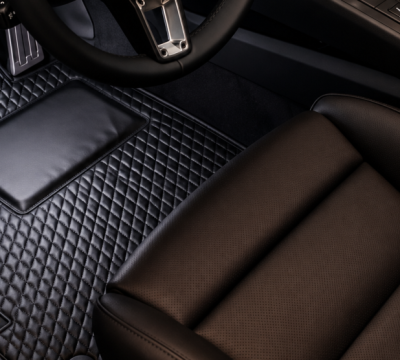
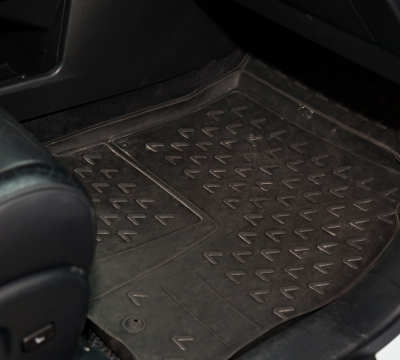
Custom-fit car mats are floor mats built around the layout of a particular vehicle. Designers shape them to follow the footwell contours, seat rails and transmission tunnel, so each mat sits where it belongs. Most sets cover the driver, front passenger and rear seats. Universal mats work differently. One size is meant to suit many vehicles, so owners often trim them or accept a loose fit. Tailored car mats start with your vehicle, while universal mats start with an average.
Why Different Vehicle Models Need Different Car Mats
Floor layouts vary far more than most people expect. Several factors shape what a mat needs to do:
- Make and model: A compact hatch and a seven-seat SUV have very different footwell sizes and shapes.
- Year and generation: Manufacturers redesign interiors between generations, and updates within a generation can also change the floor.
- Footwell dimensions and contours: Raised tunnels, sloped sills and curved edges all affect how a mat sits.
- Driver and passenger layouts: The driver’s side must work around the pedals, while the passenger side has its own shape.
- Seating configuration: Bench seats, split-fold seats and third rows all change the rear floor area.
Vehicle-specific floor mats account for these differences, which is why car mat compatibility matters more than size alone.
Key Benefits of Custom-Fit Car Mats
Better footwell coverage. A tailored shape reaches the corners and edges that universal mats often miss.
Protection from dirt, dust, mud and spills. More floor coverage means less debris reaches the carpet. You can read more in our guide on how car floor mats protect your vehicle interior from daily damage.
A tidier, tailored look. Mats that match the floor’s outline make the cabin look finished rather than patched together.
Better-fitting edges. Well-shaped edges sit closer to the sills and trim, so mats curl and lift less.
Easier cleaning. You can lift out a mat, shake it off and wipe it down in minutes.
Compatibility with retention systems. Many vehicles have factory clips or hooks, and vehicle-specific mats can be designed with those points in mind. Always check the product listing for details.
Protection doesn’t have to stop at the footwell. If you carry gear, pets or groceries, 3D and 5D car boot liners help protect the cargo area too.
Custom-Fit vs Universal Car Mats: Which Is Better?
| Factor | Custom-fit car mats | Universal car mats |
| Fit | Shaped for one vehicle | General size, often needs trimming |
| Coverage | Follows footwell contours | Can leave gaps or overhang |
| Compatibility | Matched to make, model and year | Not matched to any one vehicle |
| Convenience | Ready to install | May need adjusting |
| Appearance | Neat, tailored look | Varies by vehicle |
| Model suitability | Limited to the listed vehicle | Loosely suits many vehicles |
Universal mats can work as a short-term or budget option. But buyers should prioritise the correct fit rather than assuming one design suits every vehicle.
Why Car Mat Compatibility Matters
Car mat compatibility decides whether a mat actually matches your floor. A mat made for a different model, generation or year may leave exposed carpet, sit awkwardly around the pedals or ignore your retention points. Two vehicles from the same brand can still differ underfoot. Check compatibility before you buy. Our guide to choosing the right car floor mats explains how fit, comfort and protection work together.
Common Problems Caused by Incorrectly Fitted Car Mats
- Exposed carpet: Gaps along the edges let dirt and moisture reach the floor.
- Poor coverage around contours: Mats that ignore the footwell shape leave corners unprotected.
- Unwanted movement: A loose mat slides, bunches or curls, especially in the driver’s footwell.
- Difficult installation and removal: A poor fit makes mats hard to line up or lift out.
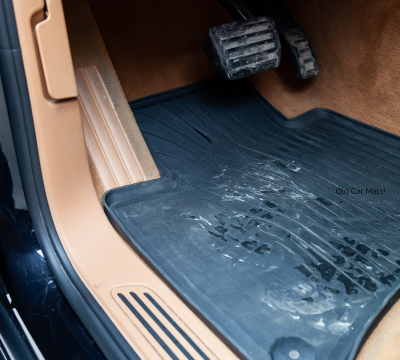
- Pedal interference: A mat that is misplaced or unsecured can obstruct the pedals. Always position mats correctly and use any retention points provided.
How to Choose the Right Custom-Fit Car Mats
- Confirm your exact make and model. Check your registration papers or compliance plate if you’re unsure.
- Check the manufacturing year and generation. Interiors change between generations.
- Select the right configuration. Seating layout, body style and drivetrain can all affect the floor.
- Review dimensions and floor coverage. Look at what the listing covers, including the rear rows.
- Confirm retention point compatibility. Make sure the mat suits your vehicle’s factory fixings.
- Choose suitable materials and designs. Think about your climate, daily use and cleaning habits.
Why Consider 3D and 5D Car Floor Mats?
3D and 5D car floor mats use moulded designs with raised edges that follow the floor’s shape and extend up the footwell sides. That structure helps contain spills and loose dirt, and it suits many vehicle interiors. Our 5D car floor mats buying guide covers features and key tips in more depth. Appearance should never drive the decision. A mat that looks great but belongs to another model will still fit poorly, so always choose a vehicle-specific option.
Vehicle-Specific Example: Ford Everest Floor Mats
The Ford Everest shows why vehicle-specific design matters. It’s a large, popular SUV with a generous cabin, and Ford has released it in more than one generation. Each generation can bring different floor shapes and layouts, so a mat that suits one version may not suit another. That is why you should match your mats to your exact model and generation. Vehiclab lists custom-fit Ford Everest floor mats for a specific model, so check the listing details against your vehicle before ordering.
Conclusion
Custom-fit car mats matter because no two vehicles share exactly the same floor. Make, model, generation and seating layout all shape what a mat must do, and a vehicle-specific fit gives you better coverage, easier cleaning and a tidier cabin. Checking compatibility before you buy saves you from gaps, movement and returns. Ready to protect your interior properly? Explore Vehiclab’s range of car floor mats, find the set made for your vehicle and give your floors the fit they deserve.
Frequently Asked Questions (FAQs)
What are custom-fit car mats?
Custom-fit car mats are floor mats made for a specific vehicle make, model and year. Manufacturers shape them around the footwell contours, so they cover the floor more accurately than generic options. Most sets include driver, passenger and rear mats for a consistent look.
How are custom-fit car mats different from universal car mats?
Universal mats follow a general size and suit many vehicles loosely. Custom-fit mats start with one vehicle’s floor layout. That difference usually shows in coverage, edge fit and how well the mat stays in place.
Why does car mat compatibility matter for different vehicle models?
Compatibility decides whether a mat matches your floor. A mat designed for another model or generation may leave gaps, curl at the edges or sit awkwardly near the pedals. Checking compatibility first helps you buy mats that fit properly.
Do car mats differ between different model years of the same vehicle?
Often, yes. Manufacturers update interiors between generations, and sometimes within one, which can change floor shapes, retention points or seat layouts. Confirm your build year and generation before ordering, and read the product listing rather than assuming an older mat will suit.
Are tailored car mats better than universal floor mats?
For most owners wanting a neat fit, yes. Tailored car mats follow your floor’s shape, so they usually cover more area and sit more securely. Universal mats can work as a budget option, but they rarely match a vehicle-specific fit.
How do I choose the correct car mats for my vehicle?
Start with your exact make, model, year and generation. Then check your seating configuration and confirm the mat suits your factory retention points. Finally, compare materials and designs, and read the listing carefully to make sure it matches your vehicle.
Can incorrectly fitted car mats affect driver safety?
They can. A mat that slides or bunches up near the pedals may interfere with their movement. Choose mats designed for your vehicle, secure them with any retention points provided, and check regularly that nothing obstructs the pedals.
Are 3D and 5D car mats available for different vehicle models?
Yes, they’re available for many vehicle models, though availability depends on make, model and year. Each design follows the vehicle’s floor shape, so match the listing to your exact vehicle rather than choosing on looks alone.