


How Car Floor Mats Protect Your Vehicle During Australia’s Rainy Season
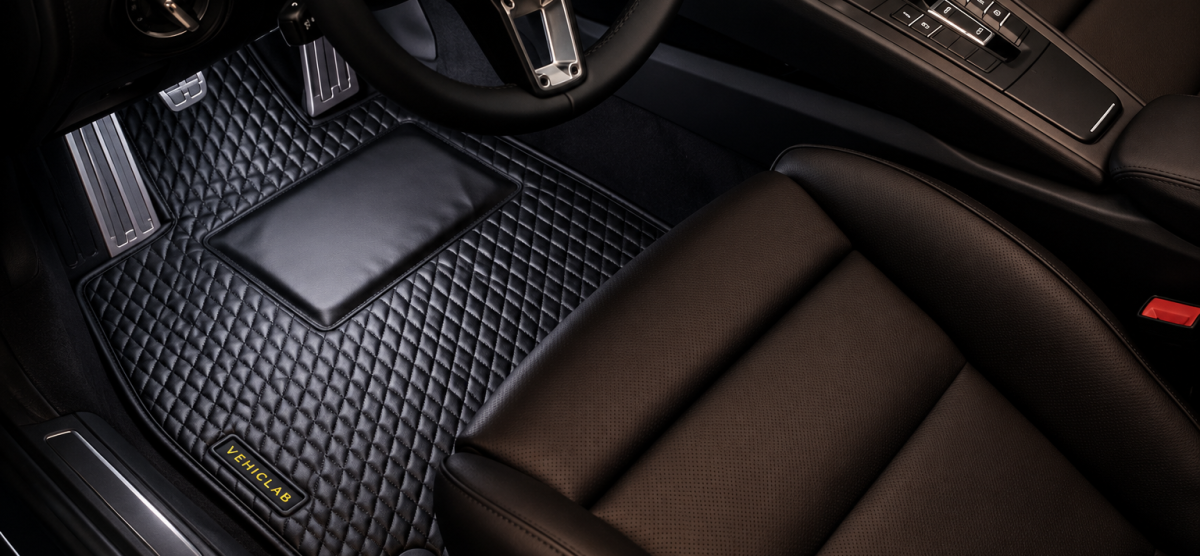
Most Australians think about rain protection for the outside of their vehicle. Wax, paint sealant, tyre pressure, wipers, all valid. But the inside of the car takes a serious hit during wet weather too, and that damage is quieter, slower, and in many ways harder to reverse.
Every wet commute, every muddy footy trip, every dash through a carpark in a downpour deposits moisture, grit, and debris onto your vehicle flooring. And if you only have standard carpet or a flat universal mat sitting there, most of it finds its way to the factory carpet underneath, where it stays.
Quality car floor mats fromVehiclab change that equation completely. Here is everything you need to know about protecting your interior through Australia’s wet seasons.
Why Australia’s Rainy Season Is Tough on Vehicle Interiors
Australia does not have a single rainy season. It has several, spread across different regions and months. The wet season in the Top End and Queensland runs from roughly November through April. Coastal NSW and Victoria see peak rainfall through autumn and winter. Tasmania and the alpine regions deal with sustained rain and snowmelt well into spring.
What all of these conditions share is consistent moisture exposure. Wet shoes, dripping jackets, muddy boots, umbrellas, and wet gear piled into the back, repeated day after day for months at a time.
Are all-weather car floor mats suitable for year-round use in Australia? Yes, and for most Australian drivers they are the only practical choice. A mat designed specifically for wet weather containment handles year-round conditions without any seasonal swaps or adjustments. This is especially important when you understand how car floor mats protect your vehicle interior from daily damage, not just during the wet season but across every month of the year.
Common Problems Rainy Weather Causes Inside Your Car
Understanding the specific ways wet weather damages a vehicle interior makes the case for proper protection easier to appreciate.
Muddy Footwear
Muddy boots are a daily reality during extended wet weather, particularly for drivers who work outdoors, play sport, or live on unpaved roads. The clay and organic matter in mud does not brush out of carpet fibres easily. It bonds as it dries and becomes increasingly difficult to remove with each cycle.
Can muddy shoes permanently damage a car’s original flooring? Yes. Ground-in mud causes permanent discolouration of carpet fibres, and the abrasive silica content in Australian soils accelerates physical wear over time.
Water and Moisture Buildup
Wet shoes transfer significant water with every entry. On a flat carpet or basic mat, that moisture has nowhere to go except into the carpet below. Over days and weeks of wet weather, the carpet stays damp, ventilation is restricted, and conditions for mould and mildew become ideal, particularly in Queensland and NSW coastal climates.
Can car floor mats prevent moisture from damaging vehicle carpets? A moulded mat with raised edges and a non-porous surface absolutely can, provided the design actually contains the water rather than absorbing it or allowing it to run off the sides.
Dirt and Road Debris
Wet conditions coat shoes and tyres in road grime, gravel, and debris that gets transferred directly to the footwell with every trip. Over time this creates an abrasive surface layer that physically degrades carpet as occupants shift their feet.
Unpleasant Odours
Persistent dampness under mats creates musty odours that permeate the cabin and become increasingly difficult to eliminate. Mould and bacteria in damp carpet produce organic compounds that no amount of air freshener can mask effectively.
Carpet Stains
Wet mud, grass, sports drinks, and road spray all leave behind staining compounds that bond to fabric in wet conditions. Once dried into factory carpet, most of these stains are permanent without professional extraction cleaning.
How Car Floor Mats Protect Your Vehicle During Australia’s Rainy Season
The right mat addresses each of these problems by acting as a complete containment system rather than a simple floor covering.
A moulded all-weather mat creates a non-porous barrier that stops moisture from reaching the carpet below. Its raised perimeter walls contain water, mud, and debris within the mat boundary rather than allowing it to spill onto surrounding carpet. And because the mat itself is removable and cleanable, anything that lands on it can be rinsed away in minutes rather than grinding deeper into factory carpet over successive wet days.
Browsing the full range of 3D and 5D car floor mats available for Australian right-hand drive vehicles gives you a clear picture of how far vehicle-specific protection has come compared to generic universal mats sold at general retailers.
Features to Look for in Rain-Ready Car Floor Mats
Which material is best for car floor mats in rainy conditions? TPE (thermoplastic elastomer) is the clear answer for Australian wet weather use. It is non-porous, odourless, UV-stable, and maintains flexibility in cold temperatures. Here is what to look for in a mat built for wet conditions.
Waterproof Materials
The mat material must be fully non-porous, meaning it does not absorb moisture at any point. TPE satisfies this requirement. Standard rubber does too, but quality varies significantly between manufacturers. Fabric mats and low-density rubber mats do not.
Are waterproof car floor mats better for Australia’s rainy season? Yes, categorically. An absorbent mat eventually saturates and begins passing moisture through to the carpet below. A non-porous mat never reaches that point.
Raised Edge Design
A flat mat with no perimeter wall offers no containment. Mud and water run off the edge onto adjacent carpet the moment they exceed the flat surface. A proper rain-ready mat needs clearly defined raised walls, typically 10 to 20mm, around the full perimeter of the footwell.
Anti-Slip Backing
Wet footwells create a secondary risk, which is mats that slide under foot pressure. A quality mat needs textured, non-slip backing material on the underside, and where the vehicle has OEM retaining clips, the mat should be compatible with those anchor points.
Custom-Fit Coverage
Do custom-fit car floor mats provide better protection than universal mats? Significantly so. A custom-fit mat is moulded to the exact dimensions of a specific vehicle’s footwell, leaving no gaps around the edges where water or mud can bypass the mat and reach the carpet. Universal mats leave those gaps by design. For a step-by-step guide to selecting the right fit for your specific vehicle,this resource on custom car floor mats for Australian vehicles walks through the full process clearly.
Easy-to-Clean Surface
During prolonged wet weather, mats need to be cleaned frequently. A quality rain-ready mat should clean up with a rinse under a hose and a quick wipe. No special products, no scrubbing, and no extended drying time required.
Car Floor Mats vs Standard Carpet Mats in Wet Weather
| Feature | TPE All-Weather Car Floor Mats | Standard Carpet Mats |
| Moisture absorption | None, fully non-porous | High, absorbs and retains moisture |
| Mud containment | Yes, raised walls contain debris | Minimal, no perimeter wall |
| Mould risk | Very low, dries quickly | High, retains moisture under surface |
| Cleaning in wet season | Rinse with hose, done in minutes | Requires steam cleaning or replacement |
| Odour resistance | Odourless material, no bacteria retention | Absorbs organic odours over time |
| Carpet protection | Complete, factory carpet stays dry | Partial at best |
| Lifespan in wet conditions | Long, material unaffected by moisture | Degrades with repeated wet and dry cycles |
The comparison makes the practical difference clear. Carpet mats may look comfortable and feel soft when new, but in Australian wet weather conditions they become a liability within a season. For a more thorough breakdown of what separates the two categories on a practical level,this comparison of premium car mats versus regular mats covers everything you need to know before making a decision.
Simple Tips to Keep Your Car Floor Mats Clean During the Rainy Season
How often should car floor mats be cleaned during wet weather? During sustained rainy periods, a quick clean every one to two weeks prevents mud and moisture from building up to the point where it becomes harder to manage. Here is a practical routine.
- After heavy rain days, remove mats and shake out excess mud and water. A quick rinse under a tap is enough for light soiling.
- Weekly during wet season, do a full rinse with a hose and use a soft brush for any dried-on mud. Allow mats to dry in the sun before reinstalling. Do not put damp mats back in the vehicle.
- Monthly, check the factory carpet underneath for any moisture that may have worked its way past the mat. If the carpet is damp, air the vehicle out with doors open before reinstalling mats.
- After removing and reinstalling mats repeatedly, check that anchor clips are correctly engaged. A mat that shifts in the driver’s footwell under braking is a safety concern.
- Avoid silicone-based dressings on mat surfaces as some detailing products affect anti-slip properties. Plain water and mild detergent is all TPE mats need.
Choosing the Right Car Floor Mats for Australian Weather
The most important factor when choosing custom car floor liners for Australian wet conditions is fitment. A mat that does not fit the footwell correctly leaves gaps that defeat its protective function regardless of material quality.
Vehicle-specific moulded mats are available for a wide range of Australian models, and for EV owners in particular, where footwell profiles can differ significantly from petrol equivalents of the same vehicle, custom fitment matters even more.
If you are at the start of your decision-making process,this comprehensive 5D car floor mats buying guide is the most useful single resource available for understanding what features matter, what to avoid, and how to match the right mat to your specific vehicle and driving lifestyle.
Give Your Vehicle Interior the Protection It Deserves
Australia’s rainy seasons are long, unpredictable, and genuinely tough on vehicle interiors. Mud, moisture, debris, and the slow-building damage they cause to factory carpet are a real cost, and one that is easy to avoid with the right protection in place from the start.
Quality all-weather car floor mats designed for Australian conditions keep moisture where it belongs, on the mat and not in the carpet. They clean up in minutes, they last for years, and they protect the factory flooring that is expensive and difficult to restore once damaged.
Ready to protect your full vehicle interior? BrowseVehiclab’s range of 3D and 5D car boot liners to pair your floor mat protection with matched boot liner coverage, because in a proper Australian wet season, the boot takes just as much punishment as the footwells.
Frequently Asked Questions
Are waterproof car floor mats better for Australia’s rainy season?
Yes. A non-porous mat prevents moisture from reaching the factory carpet below. Absorbent mats eventually saturate and pass moisture through, defeating their purpose in extended wet weather.
How often should car floor mats be cleaned during wet weather?
Every one to two weeks during sustained rainy periods. A quick rinse handles light soiling, and a full wash is recommended after heavier mud or outdoor activities.
Can car floor mats prevent moisture from damaging vehicle carpets?
Yes, provided the mat is moulded, non-porous, and has raised perimeter walls. A flat absorbent mat cannot make the same claim.
Which material is best for car floor mats in rainy conditions?
TPE (thermoplastic elastomer). It is non-porous, odourless, UV-stable, and maintains flexibility in cold and wet conditions, making it the best-performing material for Australian all-weather use.
Do custom-fit car floor mats provide better protection than universal mats?
Yes. Custom-fit mats are moulded to the exact vehicle footwell dimensions, leaving no gaps for water or mud to bypass. Universal mats leave edge gaps that reduce containment effectiveness significantly.


