The Complete Guide to Car Floor Mats for Australian Drivers

The right car floor mats shield your vehicle’s carpet from Australia’s dust, sand, mud and sudden rain, while a poor choice leaves gaps, slips underfoot, or wears out within months. Custom-fit TPE or rubber options generally outlast carpet mats, especially for drivers who spend real time outdoors or on unsealed roads.
Walk into any car park across the country and you’ll spot the difference instantly. Some cars have crisp, clean footwells, and others look like they’ve hosted a small dust storm. The gap usually comes down to one simple thing: whether the driver bothered to invest in decent car floor mats.
It’s a small purchase that gets overlooked far too often. Yet for the price of a couple of tanks of fuel, you can protect thousands of dollars’ worth of interior carpet for years. This guide covers what actually matters when choosing mats, so you don’t end up with something that looks fine in the online photo but falls apart within a season.
What Exactly Are Car Floor Mats?
In basic terms, a car floor mat is a removable layer that sits between your shoes and your vehicle’s factory carpet. Its job is simple: intercept dirt, water and general mess before it gets baked into the fibres underneath.
That said, “floor mat” covers a fairly broad range of products these days:
- Standard carpet mats – soft underfoot, decent looks, minimal spill protection
- Rubber mats – durable and wipeable, though often a loose universal shape
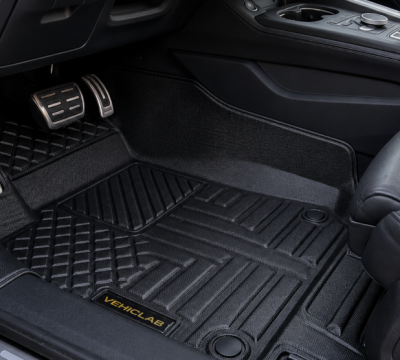
- TPE car floor mats – moulded, flexible, and built to handle wide temperature swings
- Car floor liners – a deeper, tub-style version with raised edges for heavier use
Knowing which category suits your lifestyle is really the first decision to make.
Why This Matters More in Australia Than Most Places
Australian conditions are genuinely tough on car interiors. One weekend you’re driving through red dust on a country road trip, the next you’re parked at the beach with sand pouring off wet togs and towels.
Then there’s the weather itself. Tropical downpours in Queensland, dry heat in the outback, and cold, damp mornings in Victoria all place different demands on your interior. A mat that performs brilliantly in Perth’s dry summer might not hold up the same way through a Melbourne winter.
This is exactly why generic, one-size-fits-all mats often disappoint. Local conditions call for materials and designs that can handle genuine variety, not just light everyday use.
The Main Types of Car Floor Mats
Universal Mats
These are made to loosely fit a broad range of vehicles. They’re inexpensive and easy to find, but the trade-off is a fit that’s rarely precise, except bunching, gaps near the door sill, or mats that slide when you brake.
Custom Car Floor Mats
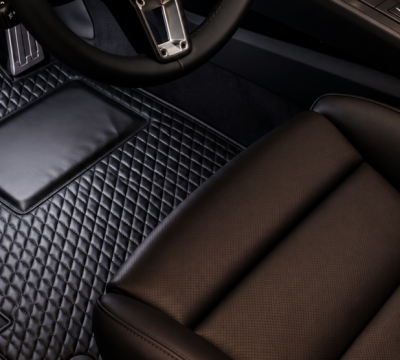
These are moulded around your specific make and model. Every curve, drainage channel and pedal clearance is accounted for, which means a flush fit with minimal shifting.
All-Weather Mats
Designed for consistency across seasons, all weather car floor mats resist cracking in heat and stiffening in cold, making them a practical option if your car sees a real mix of conditions throughout the year.
Why Custom-Fit Mats Are Usually the Better Investment
If you’re on the fence between universal and custom, consider what you’re actually paying for:
- Precision fit – no gaps, no bunching, no loose edges catching on your shoes
- Safety – properly anchored mats won’t creep toward the pedals
- Durability – even wear across the mat instead of premature fraying at loose corners
- Presentation – a tidy interior matters at trade-in or resale time
The price difference between universal and custom is usually smaller than people expect, and the performance gap is significant.
Understanding the Materials: TPE vs Rubber vs Carpet
TPE (Thermoplastic Elastomer)
This has become something of an industry favourite, and for good reason. TPE car floor mats stay flexible in the cold, resist cracking in the heat, and clean up with barely any effort a hose or damp cloth is usually enough. Most premium car floor mats you’ll find today are built from this material.
Rubber
A solid, no-nonsense option. Rubber holds up well against heavy use but can occasionally stiffen in colder conditions and doesn’t always offer the same detailed moulding as TPE.
Carpet
Carpet mats blend in neatly with factory interiors and feel soft underfoot, but they’re the least practical when it comes to spills, since they absorb liquid rather than repelling it.
Features Worth Checking Before You Buy
Not all mats are built the same, so look out for:
- A deep-tray design with raised lips to contain spills
- Genuinely waterproof car floor mats material, not just water-resistant
- Anti-slip backing that grips the factory carpet underneath
- Correct retention clips matched to your specific vehicle
- A true model-specific fit, confirmed against your car’s year and variant
A Practical Buying Guide
- Nail down your vehicle’s exact make, model and year before browsing fit varies more than people expect, even between trims.
- Think about how you actually use your car school runs and tradie gear call for different protection than a mostly-highway commute.
- Weigh up mats versus liners if you’re regularly dealing with mud, sand or wet gear, liners offer noticeably deeper protection.
- Confirming the clip system matches this is a safety detail, not just a convenience feature.
- Compare materials with your climate in mind TPE tends to offer the best all-round balance for most of Australia.
Keeping Your Mats in Good Shape
A little upkeep goes a long way toward extending the life of your automobile floor mats:
- Give them a shake-out and hose-down every couple of weeks
- Stick to mild soap rather than strong chemical cleaners on TPE or rubber
- Dry mats fully before putting them back in, so moisture doesn’t get trapped underneath
- Recheck retention clips occasionally, since regular foot traffic can loosen them over time
None of this takes long, but it makes a noticeable difference over a year or two.
Mistakes That Trip Up First-Time Buyers
A few habits consistently shorten the life of a good set of mats:
- Choosing the cheapest universal option and accepting the constant shifting that comes with it
- Placing a new mat over an old, worn one instead of removing it first
- Skipping the retention clips because the mat “seems to sit fine” without them
- Picking carpet mats for a vehicle that regularly carries wet or muddy gear
- Not double-checking pedal clearance once the mats are in
Most of these come down to rushing the setup rather than the product itself being at fault.
Wrapping It Up
Car floor mats might be one of the smallest purchases you make for your vehicle, but they carry an outsized impact on how your interior holds up over time. Getting the fit and material right for your own driving conditions matters far more than chasing the cheapest listing you can find. When you’re ready to fit your vehicle out properly, take a look at what Vehiclab offers for your specific make and model.
Frequently Asked Questions
Is it worth paying more for custom car floor mats?
In most cases, yes. The precise fit reduces shifting and wear, which typically makes up for the higher upfront cost over the life of the mat.
What sets car floor mats apart from car floor liners?
Mats generally sit flatter against the carpet, while liners feature raised edges and a deeper tray, offering stronger protection against spills, mud and sand.
Do TPE car floor mats hold up in Australian heat?
Yes, TPE is known for resisting cracking and warping in high temperatures, making it well suited to most Australian climates.
How regularly should car floor mats be cleaned?
Every two to three weeks is a reasonable baseline, though households with kids, pets or work gear may need to clean more often.
Can one set of mats handle both summer and winter conditions?
All-weather mats are built specifically for this, coping with heat, cold and moisture without needing to be swapped between seasons.
What happens if floor mats aren’t fitted correctly?
An unsecured mat can shift toward the pedals, creating a real safety risk, which is why correct retention clips and a proper fit check matter every time.