How 5D Car Floor Mats Protect Your Vehicle Interior
Australian drivers put their cars through a lot. Wet school drop-offs, muddy boots after a weekend hike, beach sand that follows you home, and a long road trip with a few spilled coffees along the way. Your floor carpet takes the brunt of all of it.
Once dirt and moisture work into the original carpet, they’re hard to remove and can leave stains and odours behind. That’s why many drivers fit quality mats early. Here’s how 5D car floor mats protect vehicle interior surfaces, and what to look for when you choose a set.
Why Vehicle Interior Protection Matters
The driver’s footwell sees more wear than any other part of the cabin. Every trip brings in dust, grit, water and whatever else is stuck to your shoes. Over time, that grit grinds into the carpet fibres, and damp patches can leave the cabin smelling stale.
Protecting the interior also helps with resale. A clean, well-kept cabin gives buyers a better first impression than faded, stained carpet.
How 5D Car Floor Mats Protect Vehicle Interior
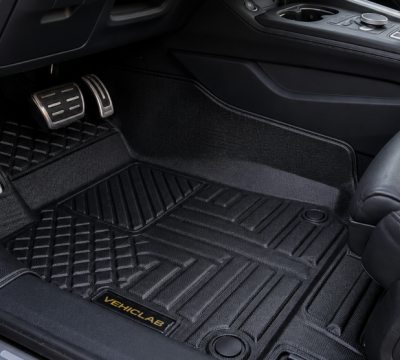
A 5D mat sits over the original carpet and takes the mess instead. It’s moulded to follow the shape of the footwell, so it covers more of the floor than a flat universal mat does.
Everyday hazards it helps manage include:
- Dirt and dust from daily commuting
- Mud and wet footwear after rain or off-road tracks
- Sand from beach visits
- Spills from drinks, takeaway or the kids’ snacks
- General wear from heels and constant foot movement
When the mat gets dirty, you lift it out and clean it. The carpet underneath stays largely untouched.
How Raised Edges and Deep Channels Help Contain Dirt and Water
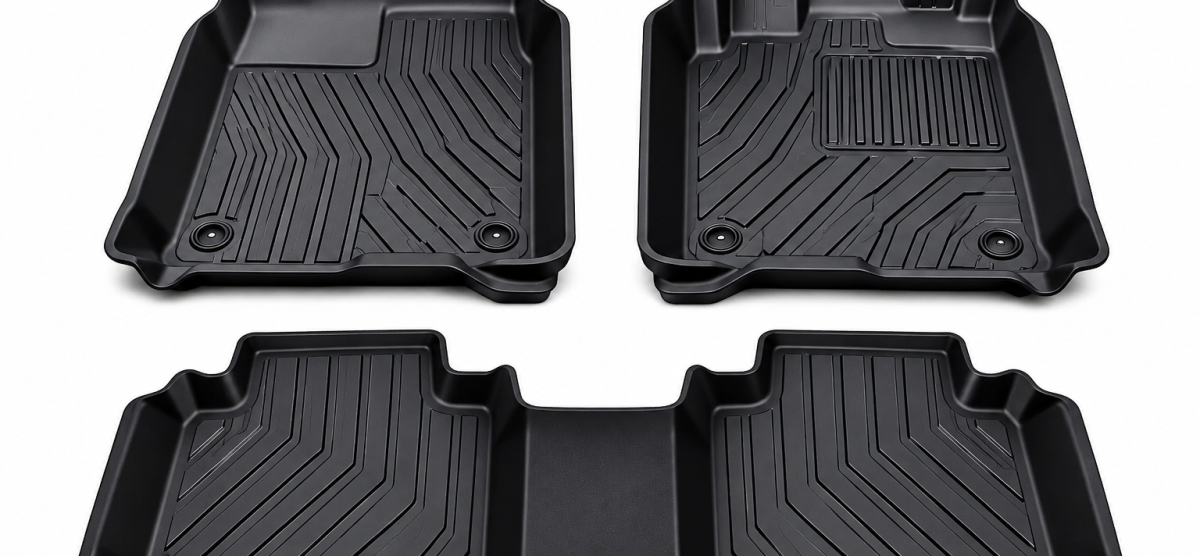
Look closely at a 5D mat and you’ll see raised edges around the perimeter and channels across the surface. Both have a job. The raised edges form a lip that helps stop liquid and loose debris from creeping towards the sides and onto the carpet. The channels give water, mud and small particles somewhere to settle, away from the soles of your shoes.
Picture a wet day. You climb in with soggy shoes, and the water collects in the channels rather than soaking straight into the carpet. You can then tip it out when you park. A mat can’t hold unlimited liquid, so a large spill still needs attention, but the design gives you a useful buffer.
Why TPE Material Is Suitable for Everyday Car Floor Protection
Many 5D mats use TPE (thermoplastic elastomer). The material is flexible, which helps the mat sit properly in the footwell and bend when you pull it out for cleaning. TPE is also easy to wipe or rinse, so you don’t need specialist products to freshen it up. Drivers often choose it for its durability under daily use. Because it’s a non-fibrous surface, mud and spills tend to sit on top instead of soaking in, unlike a standard carpet mat. If you want exact material specifications for a particular product, check the product page or ask the Vehiclab team.
How Custom-Fit 5D Car Mats Improve Interior Coverage
Coverage matters as much as material. A universal mat is cut to a general size, so it often leaves gaps around the pedals, the sides and the centre tunnel. Dirt finds those gaps quickly.
Vehicle-specific mats are shaped for a particular model’s floor layout. Owners of popular models like the Toyota C-HR can look at Toyota C-HR custom-fit floor mats designed around that cabin. A closer fit means fewer exposed patches and less shifting under your feet. Always confirm your model, year and body style before ordering. Floor shapes can change between generations.
Why All-Weather Car Floor Mats Are Useful for Australian Conditions
Australian weather swings from tropical downpours to dry, dusty stretches, sometimes in the same week. Sand, red dirt, wet grass and mud all end up in the footwell at some point. Good all-weather car floor mats handle that variety without fuss. You don’t need to worry about which season it is. You tip out the debris, rinse the mat and put it back.
If you carry gear in the back, the same thinking applies to the cargo area. Vehicle-specific 3D/5D car boot liners can protect the boot from muddy boots, sports equipment and wet items.
Tips for Cleaning and Maintaining 5D Car Floor Mats
Maintenance is simple, which is part of the appeal.
- Remove the mats from the car before cleaning.
- Shake out loose dirt and sand first.
- Rinse with water, and use mild soapy water for stubborn marks.
- Scrub gently with a soft brush in the channels.
- Dry the mats fully before putting them back, which stops moisture from reaching the carpet.
Avoid harsh chemicals unless the manufacturer recommends them. Also check the driver’s mat is seated properly after each clean, so it stays clear of the pedals.
How to Choose the Right Floor Mats for Your Vehicle
Start with fit. Search by your exact make, model and year rather than picking a generic size. Then consider how you drive. A daily commuter needs easy cleaning. A family car needs good spill coverage. If you head to the coast or the bush often, deep channels and raised edges are worth prioritising. Finally, check the product details yourself. Look at the listed material, the coverage area and any fitting notes, and ask questions if something isn’t clear.
Why Explore Vehiclab’s 3D/5D Car Floor Mats?
Vehiclab, an Australian automotive accessories website, offers a range of custom-fit car floor mats made for specific vehicle models. You can browse by model and compare options, which makes it easier to find a set that suits your car and how you use it.
Conclusion
Knowing how 5D car floor mats protect vehicle interior carpet makes the choice easier. Raised edges and deep channels catch the mess, a flexible TPE surface wipes clean, and a model-specific fit keeps coverage tight. For Australian drivers dealing with rain, mud and sand, that adds up to a cleaner cabin and less effort. Ready to protect your car? Explore Vehiclab’s 3D/5D car floor mat collection and find a set made for your vehicle.
Frequently Asked Questions
How do 5D car floor mats protect a vehicle’s interior?
They cover the original carpet and use raised edges and channels to contain dirt, water and spills, so you clean the mat instead of the carpet.
Are 5D car floor mats suitable for all weather conditions?
They’re designed for everyday use in varied conditions, from rain and mud to dust and sand. Check each product’s details for specifics.
What makes TPE car floor mats different from standard rubber mats?
TPE is a flexible, easy-to-clean material often used for moulded mats. Rubber mats vary widely, so compare the product descriptions rather than assuming.
Are custom-fit 5D car floor mats better than universal mats?
Custom-fit mats follow your model’s floor shape, so they generally cover more area and leave fewer gaps than universal mats.
How often should you clean your 5D car floor mats?
It depends on use. A quick shake-out weekly and a proper wash every month or two works for most drivers, and more often after muddy or sandy trips.