TPE vs Rubber Car Mats: Which Material Is Better for Your Car?
Walk into any car accessory shop and you’ll find two names on the shelf: rubber and TPE. They look similar, they feel similar, and plenty of sellers use the words almost interchangeably. But the differences matter once the mats are in your footwell, soaking up Queensland downpours, beach sand and the school-run mud.
This guide breaks down TPE vs rubber car mats in plain terms. We’ll cover how each material behaves, where each one shines, and how to pick the right set for your car and your lifestyle. There’s no single winner here. The best mat depends on your vehicle, your habits and, just as importantly, how well the mat fits.
What Are TPE Car Mats?
TPE stands for thermoplastic elastomer. It’s a family of materials that stretch and bounce back like rubber, but soften when heated and set again when cooled, much like plastic. That “thermoplastic” quality lets manufacturers mould TPE into detailed, vehicle-specific shapes.
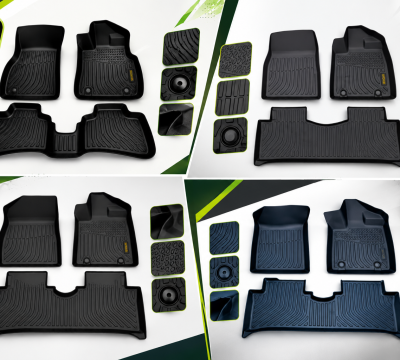
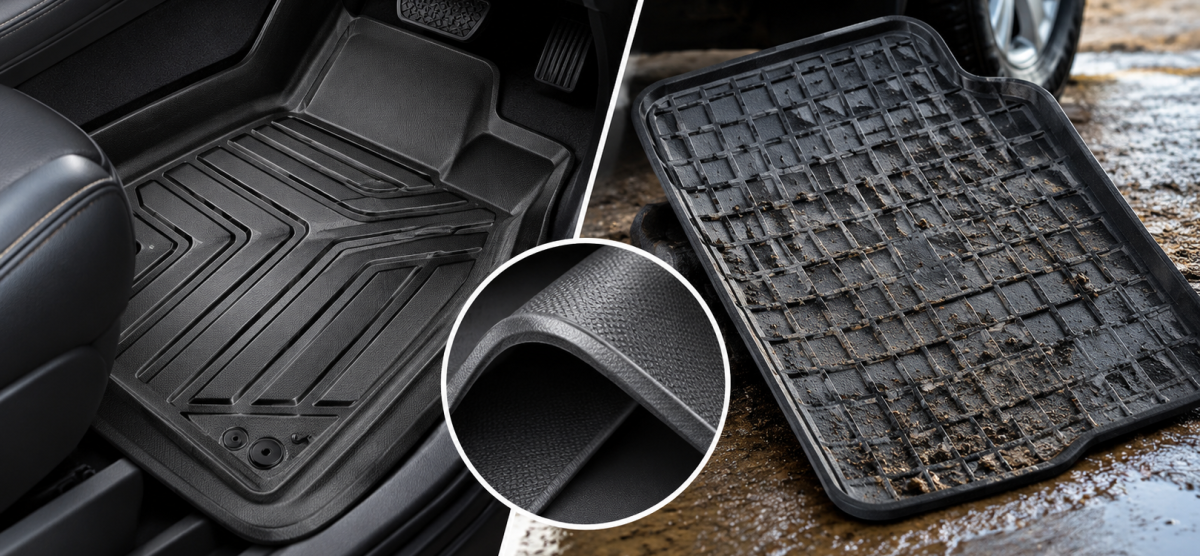
In practice, TPE car mats are usually laser-measured or scanned to match a particular model’s footwell. Many include raised edges that hold water and dirt inside the mat, plus a textured surface and a non-slip backing.
One caution: “TPE” describes a category, not a quality level. Formulations, density and thickness vary from brand to brand, so two TPE mats can perform quite differently.
What Are Traditional Rubber Car Mats?
Traditional rubber mats are made from natural or synthetic rubber that has been vulcanised, which means chemically cross-linked so it keeps its shape. That structure makes them tough, heavy and grippy.
Rubber mats come in two broad types. Universal mats are cut to a generic size and trimmed by the owner. Vehicle-specific rubber mats are moulded for one model. Many products also use blends, so a mat sold as “rubber” may contain synthetic compounds, fillers or a mix of materials.
TPE vs Rubber Car Mats: Key Differences at a Glance
This table covers general material characteristics. Individual products can differ, so always check the specific mat’s description.
| Feature | TPE car mats | Rubber car mats |
| Material type | Thermoplastic elastomer; rubber-like, moulded like plastic | Vulcanised natural or synthetic rubber, often blended |
| Flexibility | Usually flexible but varies by formulation | Often dense and heavy; some stay stiff in cold weather |
| Cleaning | Smooth surfaces often wipe or rinse clean | Easy to hose off; deep grooves may need a brush |
| Odour | Often mild when new, but not guaranteed | Can have a noticeable rubbery smell when new, which often fades |
| Weather performance | Depends on formulation and quality | Generally tough; quality varies with compound |
| Fitment | Commonly moulded to specific models | Ranges from universal to vehicle-specific |
| Weight | Often lighter | Often heavier |
| Best suited to | Daily driving, families, drivers wanting full footwell coverage | Work vehicles, utes, heavy mud and gear |
What depends on the product, not the material: thickness, edge height, surface texture, backing grip, retainers and how precisely the mat follows your floor. A well-made mat in either material will beat a poorly made one in the other.
Durability and Everyday Wear
Rubber has a long reputation for toughness, and a thick, good-quality rubber mat can handle years of boots, tools and abuse. The trade-off is weight, and some cheaper compounds can harden, curl or crack with age and heat.
TPE mats are generally built to hold their shape and resist cracking, but durability here still comes down to the formulation and how thick the mat is. We wouldn’t claim TPE always outlasts rubber, because it doesn’t. Wear patterns also depend on the driver: heels grinding on the driver’s side wear any mat faster than the passenger’s.
If you want a quick durability check in store or online, look at three things: thickness, how the edges are finished, and whether the seller states a warranty.
Cleaning and Maintenance
Both materials clean up well when you look after them. For most people, a weekly shake-out and an occasional wash is enough.
- Remove the mats before cleaning so dirt doesn’t end up on the carpet.
- Wash with water and a mild detergent. Avoid harsh solvents.
- Skip slippery protectants on the surface. A mat that’s slick under your shoe is a safety risk, particularly on the driver’s side.
- Dry the mat and the carpet underneath before refitting, especially after wet weather.
Deep tread patterns on some rubber mats hold sand and grit, so a soft brush helps. Smoother TPE surfaces often release dirt more easily, but heavily textured designs need the same attention.
Odour, Flexibility and Weather Performance
Odour. New rubber mats can carry a distinct rubbery smell, which usually fades with airing. TPE mats are often milder, though that isn’t guaranteed, and a hot Australian summer can bring out the smell of almost any new material. Leave new mats in the sun or a ventilated space for a day before fitting if you’re sensitive to smells.
Flexibility. A flexible mat is easier to remove, clean and fit around seat rails. Very stiff mats can lift at the edges or be awkward to refit. Some rubber compounds also firm up in cold weather, though that’s less of an issue across most of Australia.
Weather. Our climate throws everything at floor mats: summer heat, humidity, flooding rain and fine sand. Rather than assuming a material copes, check what the manufacturer says about temperature and UV resistance, and look for raised edges that contain water instead of letting it run onto the carpet.
Which Material Is Better for Australian Driving Conditions?
It depends on how you drive. Here’s how it plays out in real life.
- Daily commuters: Fit and easy cleaning matter most. A vehicle-specific mat in either material works, and TPE is a popular pick for its moulded shape.
- Families and school runs: Spilled drinks, crumbs and muddy sports boots call for raised edges and full footwell coverage. Moulded mats that contain liquid are very handy here.
- Beach and sand lovers: Look for mats with a lip high enough to hold sand, and a surface you can tip out and rinse.
- Tradies and farm vehicles: Heavy-duty rubber is often a sensible choice when mats cop boots, tools and wet gear all day.
- Weekend 4WD drivers: Mud and water favour thick, high-sided mats. Material matters less than build quality and fit.
How to Choose the Right Car Mats for Your Vehicle
Start with fit, then think about material. A mat that doesn’t suit your car can shift, bunch up and, in the worst case, interfere with the pedals. Whatever you buy, it must sit flat, stay anchored and leave the accelerator, brake and clutch completely free.
Use this checklist:
- Match your exact model, year and drive side. Most Australian cars are right-hand drive, so avoid left-hand-drive mats.
- Check the layout. Does the set include rows two and three if you have a 7-seater?
- Look for retainers. Clips, hooks or a non-skid backing keep the driver’s mat in place.
- Compare thickness and edge height. Taller edges hold more liquid.
- Read the warranty and fitment policy.
A good example is a seven-seater family SUV. TheKia Sorento 2015–2021all-weather floor mats are made for the UM Series with three rows, and the set covers the front, a rear door-to-door piece and the third row. The product page lists high-density TPE, a non-skid back, retainers where the original design uses them and a five-year Australian warranty. These mats suit that Sorento generation only, so always confirm your model and year (or send your VIN) before ordering.
If you’re still comparing options across makes and models, browse the full range of3D/5D car floor mats and filter by your vehicle.
Don’t Forget the Boot
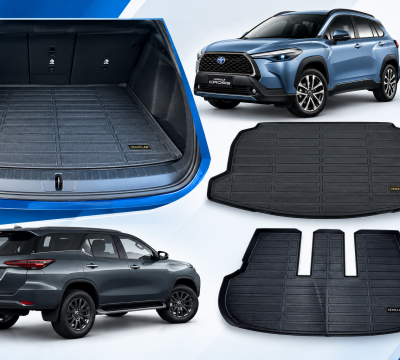
TPE isn’t only for the cabin. It’s also used for boot liners, which protect the cargo area from wet gear, pet hair, sports equipment and groceries. A boot liner is a separate product from a floor mat, so you’ll need to buy one for the boot if you want that protection.
For example, the Toyota RAV4 TPE boot liner is a single piece for the 2019–2024 fifth-generation RAV4 (petrol or hybrid). According to its product page, it has raised lips to catch spills and debris, and it’s waterproof, scratch resistant and pressure washable. It’s a boot liner only and doesn’t cover the cabin floor.
TPE Car Mats vs Rubber Car Mats: Which Should You Choose?
Choose TPE car mats if you want a vehicle-specific, moulded fit, easy rinsing and a lighter mat for everyday family or commuter driving. Choose rubber car mats if you need heavy-duty protection for work, off-road or tool-laden conditions, and you’re happy to deal with a bit more weight and possible initial odour. Either way, a mat that fits your car properly will always outperform a cheaper universal one. The best material is the one made well, for your vehicle, and used within sensible limits.
Conclusion: Choose the Mat That Fits Your Life
The TPE vs rubber car mats debate doesn’t have a universal winner. TPE offers moulded precision and straightforward cleaning, while rubber brings proven toughness for demanding jobs. Fit, thickness, edge height and build quality decide how well either one works in your car. Check your vehicle details, think about how you drive, and choose a mat that stays safely clear of your pedals. When you’re ready, explore the vehicle-specific mats and boot liners at Vehiclab and find a set made for your car.
Frequently Asked Questions
Are TPE car mats better than rubber car mats?
Not always. TPE suits drivers who want a precise, moulded fit and simple cleaning, while rubber remains a solid choice for heavy-duty use. Product quality and fitment matter more than the label.
What is the main difference between TPE and rubber floor mats?
TPE is a thermoplastic elastomer that can be melted and moulded like plastic. Traditional rubber is vulcanised, which makes it a more permanent, cross-linked material. That difference affects how each can be shaped and how it behaves over time.
Are TPE car mats easy to clean?
Generally, yes. Remove the mat, rinse or wipe it with mild detergent and let it dry. Heavily textured surfaces may need a brush to clear sand and grit.
Do TPE car mats have a strong smell?
Many have a mild smell, often less pronounced than some new rubber mats, but it isn’t guaranteed. Airing new mats before fitting helps with either material.
Which car mat material is suitable for wet and muddy conditions?
Both can work. What matters most is raised edges, a good fit and a surface that releases mud. Check the product description for water containment and cleaning advice.
How do I choose the correct car mats for my vehicle?
Match the exact make, model, year and drive side, then confirm the mat sits flat, stays anchored and never touches the pedals. If you’re unsure of your model variant, check with the seller or supply your VIN.