Boot Liners vs Car Floor Liners: What’s the Real Difference?
If you’ve been shopping around for interior protection lately, you’ve probably noticed boot liners and car floor liners get mentioned in the same breath a lot. They’re related products, but they’re not interchangeable. Choosing the wrong one can leave the area of your car that takes the most abuse completely exposed.
This isn’t about one being “better” than the other. It’s really about matching the product to what you actually do with your car.
What a Car Floor Liner Actually Does
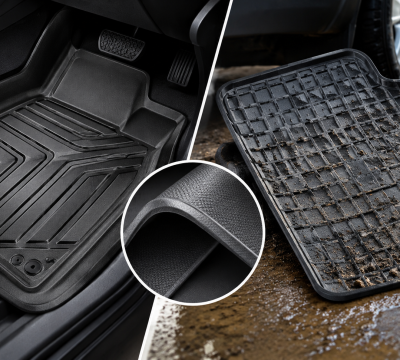
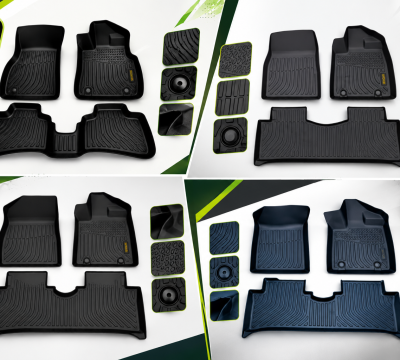
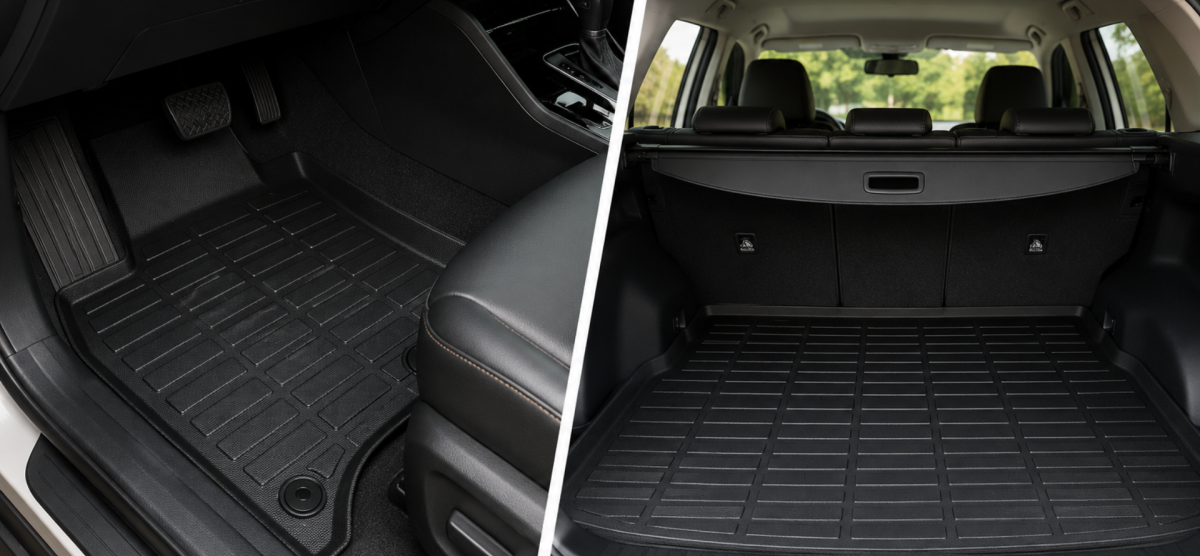
Car floor liners sit in your footwells, front and rear, and they’re built to handle everything that comes in on shoes and boots. Mud, sand, spilled coffee, kids’ snacks ground into the carpet, the classic dog-walk aftermath. A good set has raised edges and a deep tray shape, so anything that drips or falls stays contained instead of soaking into the carpet underneath.
If most of your mess happens from people getting in and out of the car, floor liners are doing the heavy lifting.
What a Boot Liner Actually Does
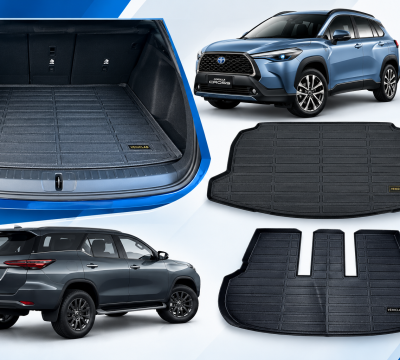
A boot liner covers the cargo area at the back of your car or SUV, the space you use for shopping, luggage, tools, sporting gear, or the family dog. It’s a completely different shape and job to a floor liner. Where floor liners deal with foot traffic and spills, boot liners deal with weight, scraping, and bulkier items that can scuff or stain carpet fast.
If your boot regularly carries anything heavier or messier than a handbag, a proper liner back there earns its keep quickly.
Where People Get It Wrong
The most common mistake isn’t picking the wrong product, it’s assuming you only need one or the other. In reality, most drivers who use their car for family life, work, or weekend trips benefit from both, because they’re protecting two completely different zones that get completely different kinds of mess.
If you’re only ever transporting people and the odd bag, floor liners alone might be all you need. If you’re constantly loading gear, tools, or pets into the boot but rarely have messy passengers, a boot liner might matter more to you. Most people land somewhere in the middle.
Despite the similar purpose, the two products are designed around different areas of the vehicle and usually have different contours, retention points, and coverage.
Material Matters for Both
Whether you’re looking at a floor liner or a boot liner, the material makes a real difference. TPE (thermoplastic elastomer) has become the standard for a reason, it holds its shape in heat, doesn’t crack in the cold, and cleans up with a hose rather than a scrubbing brush. Cheaper rubber or fabric options exist for both product types, but they tend to wear out faster and don’t handle Australian weather swings as well.
Custom-fit options, in both boot liners and floor liners, will always outperform universal ones. A liner moulded to your exact vehicle follows the real contours and drainage points your manufacturer built in, rather than sitting loosely over the top and shifting around.
So Which One Do You Actually Need?
Here’s a genuinely useful way to think about it, based on how you use your car:
- Mostly city driving, occasional passengers: floor liners are probably your priority
- Regular trips to the beach, hardware store, or sports training: a boot liner will save you more grief
- Family car with kids and pets: you’ll likely want both, since mess happens at both ends of the car
- Work vehicle carrying tools or equipment: boot liner first, floor liners a close second
If you want to see exactly what full-coverage protection looks like across both zones, our guide on car floor liner features that provide maximum interior protection breaks down what to actually look for in a quality set.
Final Thoughts
Boot liners and car floor liners aren’t competing products, they’re complementary ones, each doing a specific job the other one isn’t built for. The right call comes down to where your car actually gets messy, not which product sounds more impressive. If you’re ready to protect the areas that matter most for how you actually use your vehicle, it’s worth browsing Vehiclab’s boot liner range to see what fits your car.
Frequently Asked Questions
Can I use a boot liner without floor liners, or do I need both?
You can absolutely use just one. It depends entirely on where your car gets the most mess, front footwells or the cargo area.
Do boot liners fit under the parcel shelf?
Most custom boot liners are moulded to sit correctly with your parcel shelf and cargo cover in place, but it’s worth checking compatibility for your specific model.
Are boot liners waterproof like floor liners?
Quality boot liners made from TPE are waterproof and raised at the edges, just like floor liners, so spills and wet gear stay contained.
Which one is more important for a family SUV?
Most families benefit from both, but if you had to choose one first, floor liners tend to see more daily use from kids and pets.
Do custom boot liners cost more than universal ones?
Slightly, yes, but the improved fit and coverage usually make them worth the difference, especially if you’re using the boot regularly.