Common Floor Liner Buying Mistakes Australian Drivers Make

Quick Answer: The most common floor liner buying mistakes include trusting “universal fit” claims, skipping year-specific fitment checks, prioritising price over material quality, ignoring retention clip compatibility, and forgetting about the boot. Avoiding these ensures better protection, a proper fit, and a liner that actually lasts.
Buying floor liners feels like it should be straightforward, pick a set, check the price, done. But it’s one of those purchases where a handful of small oversights can leave you with something that doesn’t fit properly, doesn’t last, or doesn’t actually protect what you bought it for in the first place. Most of these mistakes aren’t obvious until you’re already a few months into ownership and starting to notice the gaps, literally and figuratively.
None of these mistakes are complicated to avoid once you know what to look for.
Mistake 1: Assuming “Universal Fit” Means It’ll Actually Fit
This is probably the most common one. Universal liners are designed to sit reasonably well across a huge range of vehicles, which in practice means they’re not truly moulded to any of them. They often sit slightly loose, don’t follow your car’s actual drainage channels, and can shift over time.
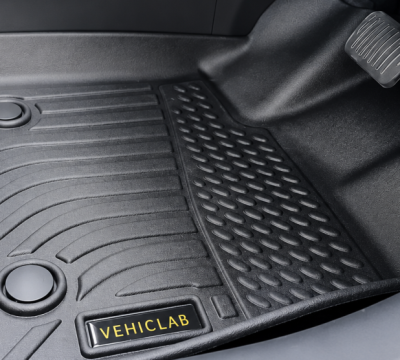
Custom car floor liners, moulded specifically to your make, model, and year, solve this properly. It’s a genuine difference, not just marketing language, and it’s usually the single biggest factor in whether a liner still looks and performs well a year or two down the track.
Mistake 2: Not Checking Year-Specific Fitment
Even within the same model, floor pan shapes can change between years, sometimes due to a mid-cycle refresh you wouldn’t necessarily notice from the outside. Buying based on model name alone, without confirming the specific year, is a common way people end up with a liner that’s close but not quite right.
Mistake 3: Prioritising Price Over Material Quality
It’s tempting to go for the cheapest option, especially when liners can look fairly similar in photos. But cheaper rubber or thin plastic liners tend to crack, warp, or discolour far sooner than TPE options, especially given how harsh Australian sun and heat can be on car interiors. You often end up replacing a cheap set sooner than you would have spent on a quality one upfront, which makes the “budget” option the more expensive choice once you factor in buying twice.
This is where it pays to actually compare materials before checking out. Taking a few minutes to look through a proper 3d floor mats range, rather than the first cheap listing you find, usually saves you from this exact mistake.
Mistake 4: Ignoring Retention Clip Compatibility
Not every liner set is designed to use your vehicle’s factory retention points. If a liner doesn’t clip in properly, it’s far more likely to shift, which is a genuine safety concern near the pedals, not just an inconvenience. This is easy to overlook when comparing liners online, but worth checking before you buy. A quick look at the product listing or a message to the seller confirming clip compatibility for your exact model takes a couple of minutes and can save you a return down the line.
Mistake 5: Buying Floor Liners Without Considering the Boot
A lot of buyers focus entirely on footwells and forget the cargo area entirely, even though it often takes just as much of a beating from shopping, gear, or pets. It’s worth thinking about your whole car’s interior protection at once, rather than treating it as separate purchases down the track.
If you’re weighing up what genuinely makes a difference in fit and quality, our guide on the benefits of choosing custom-fit car floor mats in Australia is a solid next read before you commit to a set.
Final Thoughts
Most floor liner buying mistakes come down to the same root cause, treating liners as a generic accessory rather than a product that needs to match your specific vehicle. Taking the extra few minutes to confirm fitment, material, and clip compatibility saves you from replacing a disappointing set sooner than you should have to. If you’re ready to buy something that’s actually built for your car, it’s worth starting at Vehiclab’s car accessories shop to see the full range on offer.
Frequently Asked Questions
Are universal floor liners really worse than custom ones?
In terms of fit, yes, generally. Universal liners are a compromise across many vehicles, while custom liners are moulded to your specific car.
Does the year of my car really matter when buying liners?
Yes, floor pan shapes can differ even within the same model across different years, so confirming your exact year matters.
Is it worth spending more on premium car floor liners?
Usually, yes. Premium materials like TPE tend to outlast cheaper options significantly, which often makes them better value over time.
Should I buy floor liners and boot liners together?
Not necessarily together, but it’s worth considering both areas of your car rather than only focusing on the footwells.
What’s the biggest mistake people make when buying floor liners?
Assuming universal fit is close enough, when in reality it often leads to shifting, gaps, and reduced protection.