


TPE vs Rubber Floor Liners: What’s Actually Better for Cars?
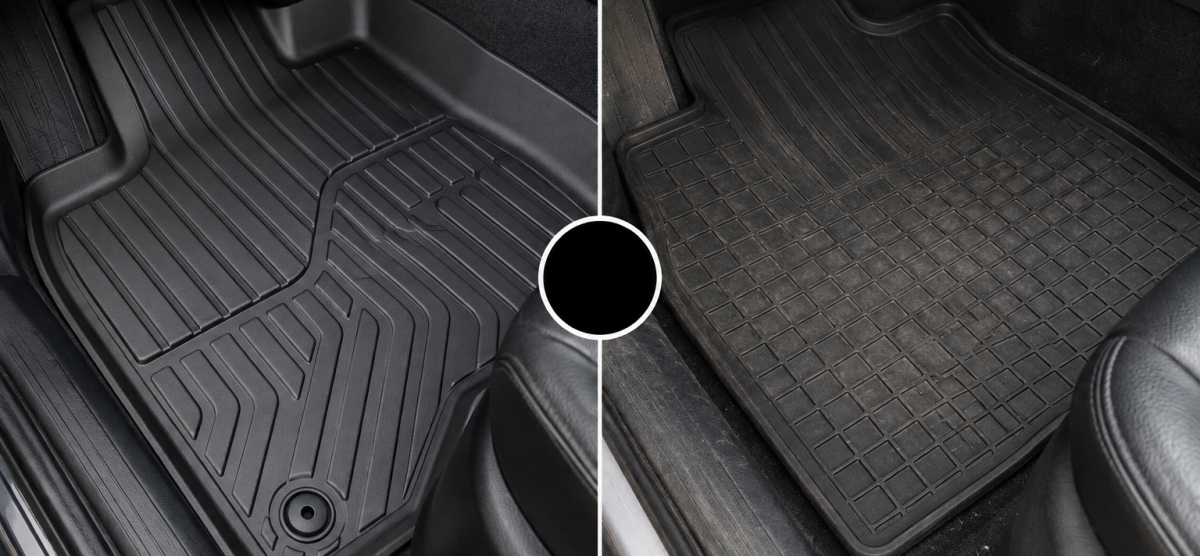
Quick Answer: TPE floor liners generally outperform rubber in Australian conditions, resisting heat, cracking, and staining better over time, though rubber remains a cheaper option for short-term or occasional use. The right choice depends on your budget and how long you plan to keep the car.
Walk into any car accessories conversation about floor liners and you’ll eventually hit the same question: TPE or rubber? Both materials do the same basic job, keeping mess off your carpet, but they don’t perform the same way once you factor in Australian conditions, and the difference matters more than a lot of buyers realise, especially once you’ve owned a set for a full year and started noticing how each material has aged.
This isn’t about dismissing rubber outright. It’s about understanding where each one genuinely holds up and where it doesn’t.
What TPE Actually Is
TPE stands for thermoplastic elastomer, a flexible, durable material that’s become the standard for premium car floor liners in recent years. It combines some of the toughness of hard plastic with the flexibility of rubber, without inheriting the downsides of either.
TPE liners tend to hold their shape well across a wide temperature range, resist cracking, and clean up easily with just water, no solvents needed.
What Traditional Rubber Actually Offers
Rubber has been used in car mats for decades, and it does have genuine strengths. It’s generally cheaper, widely available, and for light, occasional use, it can do a perfectly adequate job. If you’re after a low-cost, short-term solution, rubber isn’t a bad option.
Where rubber tends to fall short is over time, particularly with Australian heat. It can go brittle, crack, or develop a slightly sticky texture after prolonged sun exposure, especially on darker-coloured mats that absorb more heat.
How They Actually Compare Day to Day
Heat resistance: TPE holds up noticeably better in hot cars, which matters a lot given how quickly interiors heat up in Australian summer. Rubber is more prone to softening or becoming tacky.
Cold weather flexibility: TPE stays flexible in cooler temperatures, while rubber can stiffen and become more prone to cracking in winter, particularly in liners that have already had a season or two of wear.
Cleaning: Both are easy to hose down, but TPE tends to resist staining and odour absorption slightly better over time.
Longevity: This is where the gap is most noticeable. A quality TPE liner will generally outlast a rubber equivalent by a meaningful margin, which matters more once you factor in what you’re actually spending per year of use, not just the upfront price.
Upfront cost: Rubber liners are usually cheaper to buy initially, which is a legitimate factor if budget is tight or you need something short-term.
If you’re comparing options side by side, it’s worth having a look through a proper automobile floor liners range to see the material difference for yourself before deciding what fits your budget and how long you’re planning to keep the car.
So Which One Should You Actually Choose?
If you’re after something budget-friendly for occasional use, or you’re not planning to keep the car long-term, rubber can still make sense. If you want something that’s genuinely built to handle daily Australian conditions, extreme heat, sudden rain, cold mornings, without cracking or degrading within a year or two, TPE is the stronger long-term choice for most drivers.
For a deeper look at how this plays out over years of use rather than just the first few months, our article on why TPE car floor mats last longer than rubber mats goes into more detail on the material science side of it.
Final Thoughts
Neither material is objectively wrong, they just suit different situations. Rubber can work fine for light, short-term use, but TPE consistently performs better across the kind of temperature swings and daily wear Australian cars actually deal with. If you’re after something that’ll genuinely last, it’s worth browsing Vehiclab’s full range of car accessories to see how TPE liners compare alongside everything else worth having in your car.
Frequently Asked Questions
Is TPE really better than rubber, or is it just marketing?
It’s a genuine material difference, TPE holds up better to heat, cold, and general wear compared to standard rubber in most real-world conditions.
Do TPE floor liners cost more than rubber ones?
Generally, yes, upfront. Many drivers find the longer lifespan makes up the difference over time.
Can rubber floor liners crack in Australian heat?
Yes, prolonged sun exposure and heat are common causes of rubber liners becoming brittle or cracking, especially after a year or two.
Which material is easier to clean?
Both are simple to clean, but TPE tends to resist staining and odour slightly better over repeated use.
Is rubber ever the better choice?
For short-term or budget-conscious use, rubber can still be a reasonable option, it’s just less durable long-term than TPE.