


What Are the Best Car Floor Mats for 4WD and Beach Trips in Australia?
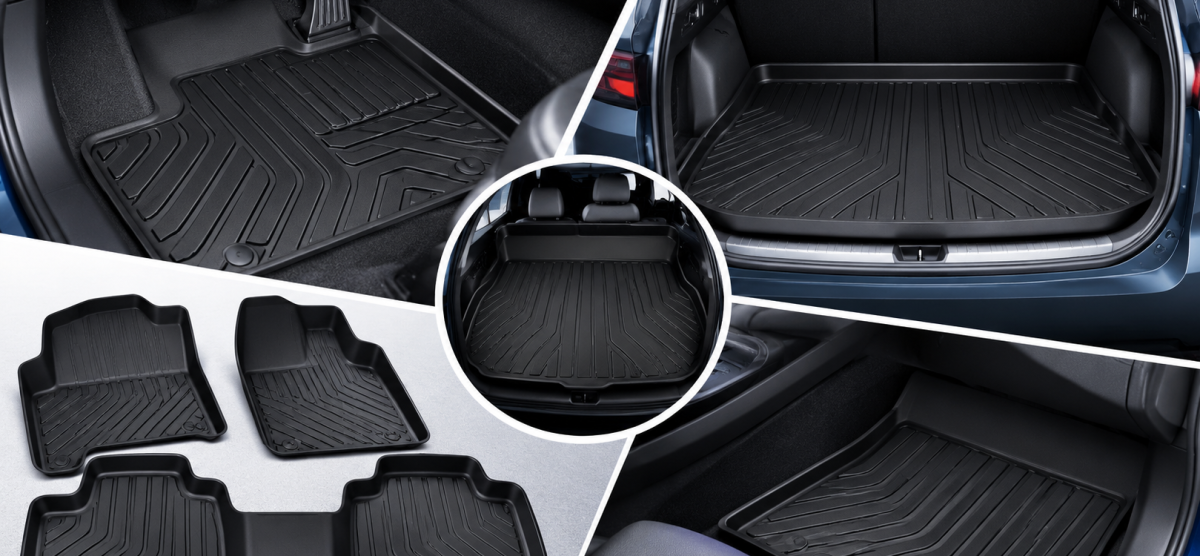
Quick answer: The best 4WD floor mats are made for your exact vehicle, cover the full footwell and have raised edges that hold sand, mud and water. Vehiclab’s 3D/5D TPE mats are laser measured to each model and come with a 5-year Australian warranty.
A day on K’gari (Fraser Island), a weekend at Stockton Beach or a run through the Victorian High Country. Great trips like these usually leave something behind in your vehicle: sand in the carpet, mud in the footwell and a damp patch that never dries.
If you’re shopping for 4WD floor mats in Australia, start with fit and edge height. The right set protects your carpet, speeds up clean-ups and helps your vehicle hold its value. This guide covers what to look for, which Vehiclab mats suit popular 4WDs and how to look after them.
Quick Guide: What to Look For by Trip Type
| Trip type | What to look for |
| Beach | Raised edges and deep channels that hold wet sand and saltwater, and mats you can rinse with fresh water |
| Mud | High walls, full footwell coverage and a non-slip base that stays put under wet boots |
| Outback dust | A snug fit around the sills and pedals, so fine dust can’t reach the carpet |
| Family trips | Coverage for the second and third rows, so kids’ shoes, snacks and spills stay contained |
Why Do 4WD Vehicles Need Specialised Floor Mats?
A 4WD works harder than a daily driver. Your boots pick up wet sand at the beach, red dust in the outback and clay on a rainy track. All of it ends up on your floor.
Factory carpet absorbs moisture and traps grit. Over time, that means stains, odours and worn fibres. Salt can linger in damp carpet, and wet footwells can leave the cabin smelling stale.
A good mat gives you a barrier between your footwear and the carpet. You lift it out, shake it off and rinse it, instead of scrubbing the carpet itself.
How to Pick the Best 4WD Floor Mats in Australia
There’s no single best mat for every vehicle, but the best car floor mats for 4WD use share these traits:
- Vehicle-specific fit. Mats shaped for your make and model follow the contours of the footwell.
- Full-footwell coverage. Good coverage protects the sides and corners, where sand and water usually sneak in.
- Raised edges and deep channels. These hold loose sand, mud and water so they don’t spill onto the carpet.
- Water and dirt containment. A mat should trap what you bring in until you’re ready to empty it.
- Durable, flexible materials. The mat needs to handle repeated flexing, dirty boots and regular washing.
- Non-slip backing and secure placement. A mat that slides around is annoying and can interfere with the pedals.
If a mat ticks most of these boxes, it’s a strong candidate for off-road life.
Important Features to Look for in 4WD All-Weather Floor Mats
4WD all-weather floor mats are built for whatever the trip throws at them: wet sand in summer, muddy boots in winter and fine dust on an outback run. These points separate a practical mat from a basic one.
A tray-like shape
A defined lip around the edges keeps liquids and debris contained. Without it, water runs straight off the mat and into the carpet.
Easy cleaning
Smooth surfaces with channels rinse clean faster than heavily textured ones. You want to hose a mat off and see it come clean, not pick grit out of tiny crevices.
Secure placement after water crossings
Tyre deflation stops, creek crossings and soft sand mean more time in and out of the cab with wet boots. Wet mats can shift, so check after each crossing that every mat sits flat, is anchored the way it was designed to be and stays clear of the pedals. Fix it before you drive off.
Why Are Custom-Fit 4WD Floor Mats Worth Considering?
Universal mats are cut to a general size, so they often leave bare carpet at the edges and shift under your feet. Custom-fit 4WD floor mats are shaped to a specific vehicle, follow the curves of the floor and sit closer to the sills. On the beach or the track, fewer gaps means less sand and water reaching the carpet.
Always confirm compatibility with your exact model and year before you order. Our guides explain why custom-fit mats matter across different models and how to order the right fit. For materials, see TPE vs rubber car mats. For edge design, see the benefits of raised-edge car floor mats.
How to Choose Car Floor Mats for Beach Trips
Car floor mats for beach trips take more punishment than most. Keep these points in mind.
- Plan for sand. On K’gari (Fraser Island) or at Stockton, fine sand ends up in every crack. Raised edges and channels keep most of it above the carpet.
- Expect wet footwear. Thongs, wet boots and damp feet all drip. Look for mats that hold water without letting it spill over.
- Think about saltwater. Salt can irritate carpet fibres and keep them damp. A mat you can rinse with fresh water lets you wash it away before it dries into a crust.
- Cover the rear too. Kids, dogs and camping gear usually sit in the back, so protect the second row as well as the front.
- Plan for cleaning. On a multi-day trip, you want a mat you can hose down at a campsite or servo.
For more on how liners handle Australian seasons, read our guide to car floor liners for Australian driving conditions.
Third-Row, Dual-Cab and Ute Footwells
Bigger 4WDs raise their own coverage questions.
Three-row wagons. The LandCruiser 300, Everest and MU-X carry passengers (and mud) in the second and third rows. Choose a set that includes a third-row piece, not just front and second-row mats.
Dual-cab utes. The rear footwell collects boots, tools and wet gear. Vehiclab’s Ranger PX set, for example, includes a door-to-door rear mat.
Surfboards and wet gear. The boot takes the worst of it after a beach day. A custom-fit car boot liner keeps sand, wet towels and boards off the cargo floor. Our boot liner buying guide explains how to choose one.
How to Maintain Your 4WD Floor Mats After Beach and Off-Road Trips
Knock off the loose sand, take the mats out of the vehicle and rinse them following the manufacturer’s care instructions. Let them dry completely before you refit them, then check that each mat sits flat and clear of the pedals. For the full routine, see our guide, Best Methods to Clean and Protect Your Car Floor Mats [add link].
Why Choose Vehiclab for 4WD Floor Mats?
Vehiclab is an Australian supplier of vehicle-specific 3D/5D car floor mats and boot liners, with more than 10 years in the automotive industry. Here’s what you get:
- TPE construction. High-density TPE with a rubber-like feel.
- Laser-measured fit. Mats are laser measured and moulded to protect the front, back and sides of the footwell, with a fitment guarantee on listed models.
- 5-year Australian warranty.
- Easy to clean. The mats are pressure washable.
- Pricing. Floor mats start from $125 and boot liners from $65.
- Delivery and returns. Free delivery and a return policy apply. See Vehiclab’s terms for details.
Conclusion
Choosing 4WD floor mats in Australia comes down to a few things: a vehicle-specific fit, full-footwell coverage, raised edges that hold sand and water, and a surface that’s easy to clean. Add a quick rinse-and-dry routine after every beach run or bush track, and your carpet will stay in far better shape.
Ready to protect your interior? Use the make, model and year selector on Vehiclab’s car floor mat collection to find mats made for your vehicle.
Frequently Asked Questions
What are the best car floor mats for 4WD vehicles in Australia?
The best mats are made for your specific vehicle, cover the whole footwell and have raised edges to hold sand, mud and water. They should also be easy to remove and clean.
Are TPE floor mats suitable for beach trips and off-road driving?
Yes. TPE mats suit beach and off-road driving because they hold sand, mud and water and rinse clean. Vehiclab’s TPE mats are pressure washable and carry a 5-year Australian warranty. Check the product details for your vehicle and follow the manufacturer’s care instructions.
Do 4WD all-weather floor mats help keep sand and mud off vehicle carpets?
Yes. Their shaped surface and raised edges catch sand, mud and water before they reach the carpet. A good fit matters, because gaps let dirt through.
Why should I choose custom-fit 4WD floor mats instead of universal mats?
Custom-fit mats match your vehicle’s footwell, so they cover more carpet and move around less. Universal mats often leave gaps at the edges.
How do I remove beach sand from 4WD car floor mats?
Take the mats out of the vehicle, shake or tap off the loose sand, then rinse with fresh water. Let them dry fully before you put them back.
Are raised-edge car floor mats useful for Australian beach trips?
Yes. Raised edges help contain sand and water from wet feet, which keeps the carpet cleaner and makes post-trip clean-ups quicker.
How often should I clean my 4WD floor mats?
Shake them out regularly and give them a proper wash after beach, mud or camping trips. If you drive on dirt roads often, clean them more frequently.
Should I use a separate boot liner for beach and camping trips?
It’s worth considering. A boot liner protects the cargo area from wet gear, sand and dirt, so it complements your floor mats rather than replacing them.