3D vs 5D Car Mats: Key Differences and Which Is Best for You
A wet umbrella, a muddy school shoe, a coffee that tips at the lights. Your car’s carpet absorbs all of it, and it rarely recovers. For the wider picture, read how car floor mats protect your vehicle interior from daily damage. This guide to 3D vs 5D car mats explains what each label usually means, where the real differences sit and how to choose. Always read the product details, not just the name, because each manufacturer applies these terms differently.
What Are 3D Car Mats?
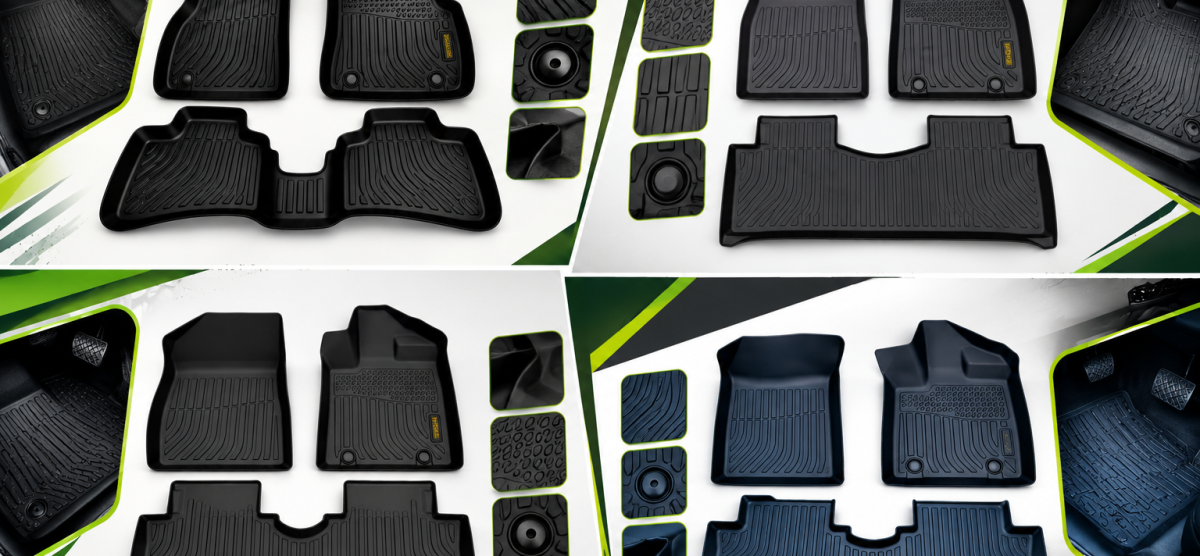
3D car floor mats are moulded mats. Manufacturers shape the material into a shallow tray, so the mat sits in the footwell instead of lying flat. A vehicle-specific version follows the footwell outline for your make, model and year, including the pedal area. In daily driving, a good 3D mat gives you a lip that holds back water, grit and small spills, plus a surface you can lift out, shake off and rinse.
The trade-offs depend on the product. Some 3D designs use lower edges or cover less of the footwell sides. A universal “3D” mat may also fit loosely, which defeats the purpose.
What Are 5D Car Mats?
“5D” usually signals a deeper, more contoured mat. It’s a marketing label, not a technical measurement, so specifications vary between products and manufacturers. When a mat earns the label honestly, you can expect taller edges, wider coverage up the footwell sides, and often a textured or ribbed surface. Some designs also use layered construction.
Those deeper channels hold more mess, but they can trap dirt in corners. You’ll need to rinse them well and dry them before refitting. Our 5D car floor mats buying guide covers what to look for in more detail.
Difference Between 3D and 5D Car Mats
The difference between 3D and 5D car mats mostly comes down to depth and construction. Here’s the practical view.
- Fit and coverage: A 5D mat tends to wrap the base, sides and back of the footwell in one piece. A 3D mat tends to focus on the base. Accuracy for your exact vehicle still matters more than the label.
- Edges and spills: Taller edges hold more liquid. Lower edges suit drivers who prefer easy removal.
- Materials and finish: Material often matters more than 3D or 5D. Mats use TPE, rubber, PVC or carpet-faced layers. See our article on TPE 5D car mats for the TPE side.
- Cleaning and price: Smooth, shallow mats wipe clean fast. Textured, deeper mats need more attention in the grooves. Price follows construction and brand, so compare listings, not labels.
3D Car Mats vs 5D Car Mats: Comparison Table
| Feature | 3D Car Mats | 5D Car Mats |
| Design | Moulded tray shape, often with a simpler profile | Moulded, often with a deeper, more sculpted profile |
| Fit and coverage | Vehicle-specific options available; coverage varies by product | Vehicle-specific options available; often wider coverage, but it varies by product |
| Edge design | Raised edges, commonly low to moderate | Raised edges, often taller, depending on the design |
| Materials | Varies by product | Varies by product |
| Cleaning | Depends on material and design | Depends on material and design |
| Everyday protection | Depends on fit and construction | Depends on fit and construction |
| Price | Varies by product | Varies by product |
How Vehiclab’s 3D/5D Range Works
Vehiclab sells its mats as one 3D/5D range. Each listing is a vehicle-specific, right-hand-drive, all-weather moulded mat set. Because it groups the two labels together, read each listing for set contents and fitment.
Here’s what Vehiclab publishes about the range:
- Material: High-density TPE with an acoustic overlay coating.
- Fit: Vehicle-specific moulds, with a search by make, model, year and trim. You can also send your VIN to cross-reference if you’re unsure.
- Set contents: Varies by vehicle. One listing, for example, includes two front pieces, one rear door-to-door piece and one third-row piece.
- Security: Non-skid backing, with retainers fitted per the vehicle’s original design.
- Delivery: Vehiclab ships Australia-wide. You can also pick up from Rochedale South, QLD, but call or message first to confirm stock.
Which Car Mats Are Best for Australian Driving Conditions?
The best car floor mats for you depend on where and how you drive. Australia throws plenty at a footwell.
Rain, mud and sand
Raised edges and a waterproof material keep puddles off the carpet. Beach trips and dirt roads call for a snug fit and edges that hold loose grit. Gaps let sand reach the carpet, whatever the label says. Our explainer on all-weather floor mats covers these conditions further.
Heat and sun
Summer cabins get hot, and your mats feel it. Heat affects materials differently:
- TPE is a flexible, rubber-like material. Vehiclab states its TPE mats resist cracking, curling and warping in heat.
- Rubber varies widely. Some compounds stiffen in the cold or crack with age and UV exposure, and some carry a stronger smell. Quality rubber exists, so check the product’s own claims.
Whatever you buy, check the manufacturer’s heat guidance. Use a windscreen sunshade, and don’t leave mats folded or stacked in a hot, parked car.
Daily commutes and family use
Commuters want fast removal and quick cleaning. Families want wider rear coverage for spilled drinks and muddy boots. Both groups benefit from mats that rinse clean.
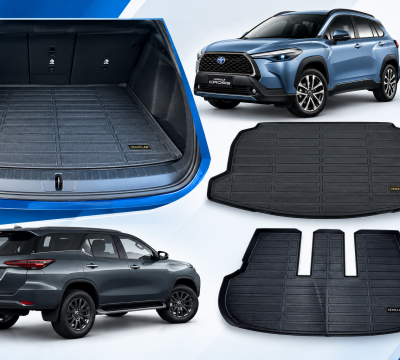
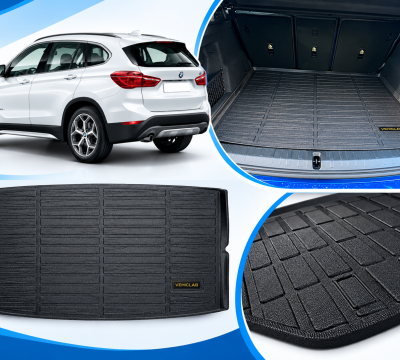
Don’t forget the boot. Wet sports gear, groceries and pets all end up there, so consider 3D and 5D car boot liners alongside your footwell mats.
Advantages and Limitations at a Glance
Neither design wins every time. The right pick depends on the product, vehicle, budget and driving conditions.
- 3D mats: Often simpler, easier to lift out and sometimes cheaper. Edges may sit lower on some products.
- 5D mats: Often taller edges and wider coverage. They can cost more, and deep grooves take more effort to clean.
For a deeper comparison, see choosing the right car floor mats.
How to Choose the Right Car Floor Mats for Your Vehicle
Check these five things before you buy:
- Your vehicle: Note the make, model, year and trim.
- Fit type: Pick vehicle-specific over universal where you can.
- Material and edges: Match them to your climate and cleaning habits.
- Retention clips: Confirm the mats work with your factory fixings.
- Pedal clearance: Keep the driver’s mat flat, secure and well clear of the pedals.
Follow the manufacturer’s fitting instructions every time. Never stack mats on top of each other. Our guide on getting custom car mats right the first time walks through ordering step by step.
Final Verdict: Which Car Mats Should You Choose?
In the 3D vs 5D car mats debate, the biggest difference is usually depth and coverage. 5D mats tend to be more deeply contoured, while 3D mats tend to be simpler in shape. Both protect your carpet well when they fit your vehicle accurately and use quality materials.
Choose 3D if you want a straightforward, easy-to-clean option for mostly dry commuting. Choose 5D if you need wider coverage and taller edges for wet, sandy or family-heavy use. In both cases, judge the actual product, not the label. Vehiclab’s vehicle-specific, right-hand-drive TPE range makes that check easy: search by make, model and year, then compare set contents. Explore the 3D and 5D car floor mat collection to find your fit.
Frequently Asked Questions
What is the difference between 3D and 5D car mats?
Both are moulded mats. Manufacturers usually describe 5D versions as deeper and more contoured, with broader coverage. Specifications vary between products, so compare edge height, material and vehicle fit in each listing rather than relying on the label.
Are 5D car mats better than 3D car mats?
Not automatically. 5D mats may give taller edges and wider coverage, which suits families and messy conditions. 3D mats may suit drivers who want a simpler shape and easier cleaning. Fit, material and construction decide the result.
Which car floor mats provide better coverage?
Coverage comes from accurate vehicle-specific fitment, a contoured shape and edge design. Many 5D mats climb higher and wrap further. A precisely fitted 3D mat can still cover a footwell well. Check the product description for coverage details.
Are 3D and 5D car mats easy to clean?
Generally, yes. Most moulded mats lift out for shaking, wiping or rinsing. Ease depends on the material, surface finish and groove depth. Follow the manufacturer’s cleaning instructions, and dry the mats fully before refitting them.
Which car mats are suitable for wet and muddy conditions?
Look for raised edges, a water-resistant material, close fitment and a surface that rinses clean. Deeper edges hold more water and mud, but the fit matters just as much. Gaps let dirt reach the carpet whatever the label says.
How do I choose the correct car mats for my vehicle?
Start with your vehicle’s make, model and year, and check the trim or body style if the listing asks for it. Match those details to the mat’s stated fitment. If you’re unsure, check the listing or contact the supplier before ordering.
Are vehicle-specific car floor mats better than universal mats?
Vehicle-specific mats follow your footwell’s shape, so they usually fit more closely and leave fewer gaps. Universal mats cost less and suit some vehicles, but they may shift or leave carpet exposed. Fit varies by product, so compare listings.