


How to Choose the Best 3D/5D Car Boot Liner for Your Vehicle
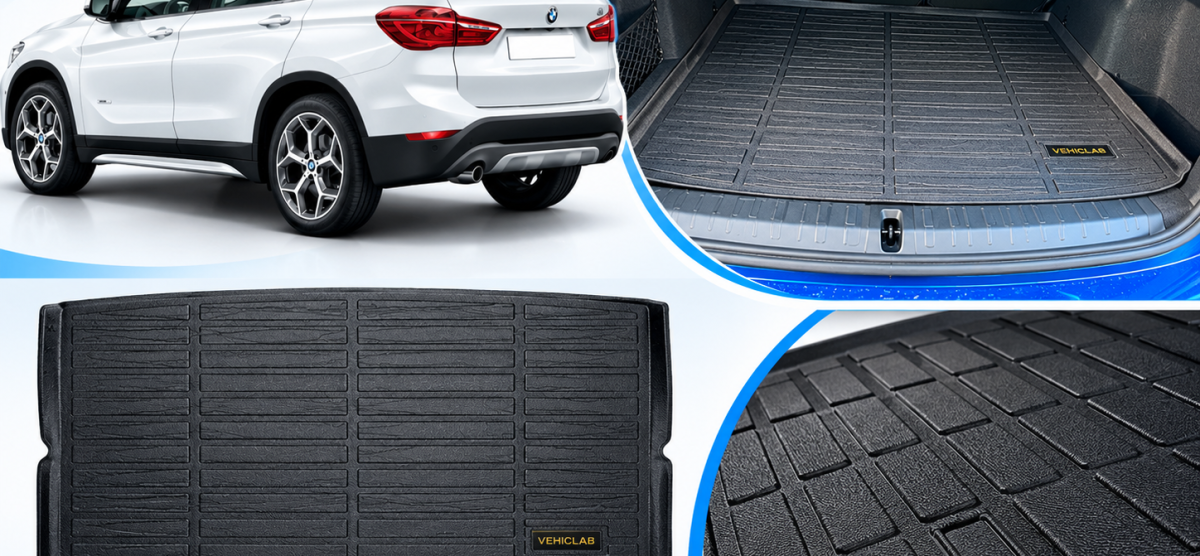
Think about the last time you loaded your boot. Maybe it was muddy football boots, a wet dog after a beach walk, a bag of groceries that tipped over at the first roundabout, or camping gear still dusty from the weekend. The boot takes more punishment than almost any other part of the car, and most owners only notice once the carpet is stained or starts to smell.
A good liner stops that damage before it starts. A 3D/5D car boot liner is one of the more practical ways to protect your cargo area, but the options vary quite a bit. This guide explains what to look for so you can choose with confidence.
What Is a 3D/5D Car Boot Liner?
A 3D/5D car boot liner is a moulded protective tray that sits in your boot. Manufacturers shape it to follow the floor and, in many designs, the sides of the cargo area. A basic flat mat only covers the floor. A moulded liner has raised edges that keep dirt, water and spills inside the tray instead of letting them soak into the carpet.
The “3D” and “5D” labels describe how much of the boot the liner covers and how closely it follows the contours. Brands use these terms in slightly different ways, so read the product description rather than relying on the name alone. Check how high the edges rise, whether the liner wraps up the sides or the back of the boot, and which vehicle it is designed for.
Why Choose a 3D/5D Boot Liner for Your Vehicle?
The main benefit is containment. Raised edges give liquids and loose debris somewhere to collect, which helps when you carry wet sports gear, muddy boots, pet bedding or groceries that might leak.
Coverage is the second benefit. A liner shaped for your boot protects more of the surface than a flat mat, including the edges and corners where dirt tends to build up. Convenience comes third. Cleaning a removable liner is usually quicker than scrubbing boot carpet. A liner won’t make your car invincible, and it won’t stop sharp or heavy items from causing damage. It does add a sensible layer of boot protection for everyday driving.
Universal vs Vehicle-Specific Boot Liners
The biggest decision you’ll make is whether to buy a universal mat or a liner made for your exact vehicle. Here’s how they usually compare:
| Universal mat | Vehicle-specific liner | |
| Fit | Cut or sized to suit many vehicles | Moulded for one make, model and boot layout |
| Gaps at the edges | More likely | Fewer |
| Raised edges | Often low or absent | Typically shaped to follow the boot walls |
| Staying in place | Can shift or curl | Sits to the boot’s contours |
| Setup | May need trimming to size | Made for your model, so little adjustment |
A universal mat can work for a basic floor cover. If you want real containment, a tailored fit makes more difference than almost any other feature.
Key Features to Look for in a Car Boot Liner
Before you buy, compare liners on a few key points.
Vehicle-Specific Fit
A liner designed for your exact vehicle sits more securely and leaves fewer gaps than a universal option. Fit matters more than almost any other feature.
Coverage and Raised Edges
Check how far the liner extends and how high the edges rise. Taller edges hold more liquid, but they shouldn’t make loading and unloading awkward.
Material and Surface Grip
The material affects flexibility, weight, smell and how easily the liner cleans. Many drivers choose a TPE car boot liner for these reasons, and the next section covers TPE in more detail. A textured surface also helps stop items sliding around when you brake or turn. It won’t replace proper tie-downs for heavy loads, but it helps with everyday cargo.
Water Resistance and Ease of Cleaning
Look for a non-porous material with enough edge height to hold liquid. Smooth, moulded surfaces are generally easier to wipe or rinse than carpet, although deep grooves can trap dirt, so check the surface design too.
Boot Configuration
Many vehicles have split-fold seats, a sliding rear bench, a dual-level floor or a spare wheel underneath. Make sure the liner matches your boot layout, not just your model name.
For a wider look at what to weigh up, read this boot liner buying guide for Australian drivers.
Why TPE Is a Popular Material for Boot Liners
TPE stands for thermoplastic elastomer. In simple terms, it combines the flexibility of rubber with the moulding properties of plastic. Manufacturers can shape it into a detailed liner that follows the contours of a boot, and it stays flexible enough to fit and remove without a fight.
Drivers often choose a TPE car boot liner because the material is easy to wipe or rinse clean, has a smooth non-porous finish and suits all-weather use. It also tends to be lighter than many traditional rubber options.
Not every TPE product performs the same way, though. Quality depends on how the manufacturer formulates and moulds it. Look at the product’s stated features and don’t assume a material name guarantees a particular lifespan.
How to Choose the Right Fit for Your Vehicle
Start with your vehicle’s make, model and year. Manufacturers often change the boot shape between generations, and even a small design change can affect how a liner sits. A liner made for last year’s model might not match this year’s.
Next, check your boot configuration. Does your vehicle have a two-level floor? Do the rear seats fold flat or at an angle? Is there a spare wheel or storage compartment under the floor? Does the listing match your body style, such as sedan, hatch or SUV?
A vehicle-specific liner follows your boot’s actual shape, while a universal mat may leave gaps or curl at the edges. The Hyundai Tucson makes a good example. Its boot layout is specific to the model, so a liner made for it sits differently from a generic one. The Hyundai Tucson boot liner guide shows why that tailored approach matters. Always confirm fitment before ordering. A couple of minutes checking your model and year can save you a return.
3D/5D Car Boot Liners for Australian Driving Conditions
Australian driving covers a lot of ground, from wet coastal commutes to dusty country roads. A 3D/5D car boot liner Australia drivers can rely on needs to handle that variety. Rain is the obvious one. Wet jackets, umbrellas and shoes drip into the boot, and raised edges hold that water in the liner instead of the carpet. Mud and dirt from the footy, the bush or the worksite are easier to manage too, since you can lift the liner out and clean it away from the car.
Beach and camping trips bring sand, wet towels and damp gear, all of which are easier to deal with on a surface you can tip out and rinse. Pet owners get a similar benefit, because hair, drool and muddy paws wipe off a smooth liner far more easily than they come out of carpet. You don’t need to live in the bush to benefit. A weekly shop, school bags and the occasional spilled drink can do plenty of damage over time.
How to Clean and Maintain a TPE Car Boot Liner
Cleaning a TPE liner is simple. Take it out of the car and shake off the loose dirt first. Then rinse it with a hose or a bucket of water to wash away mud and debris. For stubborn marks, use mild soapy water and a soft brush, and avoid harsh chemicals unless the manufacturer says they’re safe for the material.
Let the liner dry completely before you put it back, so moisture doesn’t get trapped underneath. While it’s out, wipe the boot floor as well. A quick clean every few weeks, or after particularly messy trips, keeps everything tidy. Follow any care instructions that come with your liner.
Are 3D/5D Car Boot Liners Worth It?
For most drivers who use their boots regularly, yes. The benefit grows with how often you carry messy, wet or loose items.
A liner makes the most sense if you:
- carry pets, sports gear or outdoor equipment
- have young children and the clutter that comes with them
- want to look after a newer vehicle’s condition and resale appeal
If you rarely use your boot or only carry light, clean items, a liner may be less necessary. Before buying, think about fit, edge height and your budget. A liner made for your exact model usually gives the best result, so check compatibility carefully.
Find the Right 3D/5D Car Boot Liner for Your Vehicle
If you’re ready to protect your boot, start by exploring Vehiclab’s range of vehicle-specific 3D/5D car boot liners. Check that your make, model and year match the listing, then choose the option that suits your boot and the way you drive. A well-fitted liner makes everyday cargo a lot less stressful.
Frequently Asked Questions
What is a 3D/5D car boot liner?
A 3D/5D car boot liner is a moulded protective tray made to fit the boot of a specific vehicle. Its raised edges help contain dirt, water and spills, and it usually covers more of the boot than a flat mat. Check each product’s description for exact coverage details.
How do I choose the right car boot liner for my vehicle?
Start with your vehicle’s make, model, year and boot configuration. Then compare coverage, edge height, material, grip and how easy the liner is to clean. A liner designed for your exact vehicle will fit better than a universal option.
Are 3D/5D boot liners suitable for Australian vehicles?
Yes. Many 3D/5D boot liners are made for models that are popular on Australian roads. They suit wet weather, muddy outdoor trips, pets and family use. Always check that the liner matches your exact model and year before you buy.
What is a TPE car boot liner?
A TPE car boot liner is made from thermoplastic elastomer, a flexible material that combines rubber-like softness with plastic’s mouldability. It’s commonly used for liners because it shapes well, wipes clean easily and suits all-weather use. Individual product quality still depends on the manufacturer.
Are all-weather car boot liners easy to clean?
Generally, yes. Most all-weather liners have a smooth, non-porous surface, so you can shake them out, rinse them and let them dry. Stubborn dirt may need mild soapy water and a soft brush. Always follow the manufacturer’s care instructions.
What is the difference between a 3D and 5D boot liner?
Both terms describe moulded liners with raised edges. Sellers often use “5D” to suggest more extensive coverage or a closer fit than “3D”, but definitions vary between brands. Compare coverage, edge height and vehicle compatibility on each product page rather than relying on the label.
Why is vehicle-specific fit important when buying a boot liner?
A vehicle-specific liner follows your boot’s exact shape, so it sits securely, covers the right areas and leaves fewer gaps for dirt or liquid to escape. A universal mat may shift, curl or miss corners, which reduces its protection.